IG3IS Stakeholder Consultation and User Summit advances data-driven climate action
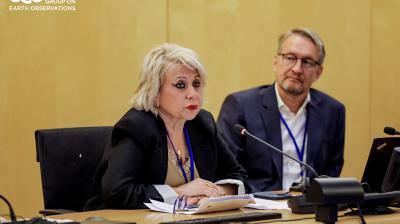
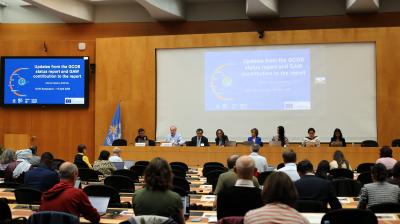
The World Meteorological Organization (WMO) convened the IG3IS Stakeholder Consultation and User Summit from 20 to 22 April 2026 at its headquarters in Geneva, bringing together decision makers, scientists, businesses and other users of greenhouse gas (GHG) information to strengthen the connection between atmospheric science and real world climate action.
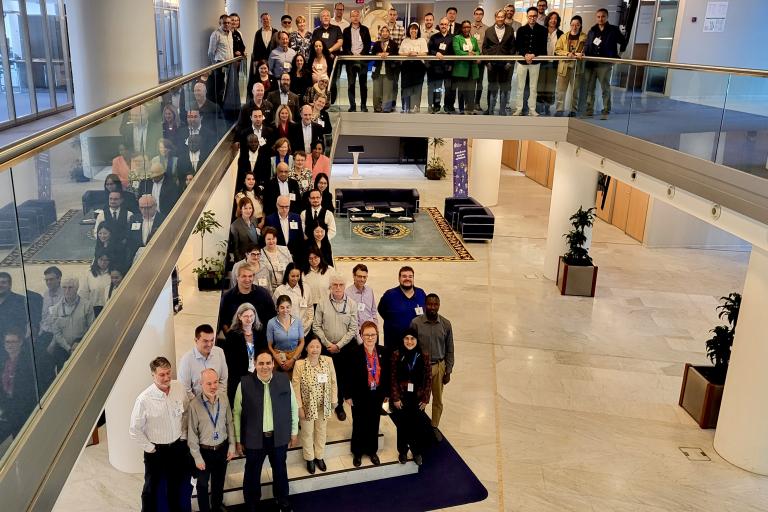
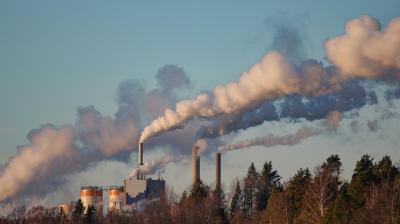
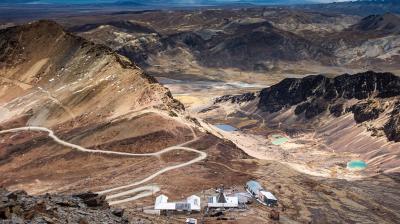
Organized by the Integrated Global Greenhouse Gas Information System (IG3IS) initiative of the Global Atmosphere Watch (GAW) Programme, the Summit focused on communicating how IG3IS methodologies support countries and other actors with observation based, data driven information on GHG emissions and removals. Participants were invited to articulate their practical needs – from national and urban scales to individual facilities – and to explore how IG3IS methodologies can better inform mitigation decisions, monitoring, reporting and verification (MRV), and access to climate finance.
From science to services
Over the past decade, IG3IS has developed good practices for national- and urban-scale emissions and removals estimates and has gained broad international recognition through inclusion in the 2019 Refinement of the Intergovernmental Panel on Climate Change (IPCC) Guidelines on National Greenhouse Gas Emissions. The Summit underscored that the ultimate measure of success lies in how emissions information supports additional, credible and practical emissions reduction actions. To achieve this, IG3IS must be co developed with the communities that implement policies and investments on the ground.
The Summit highlighted the importance of integrating efficient, transparent, and timely monitoring systems into mitigation initiatives through oral and poster presentations by participants. Selected IG3IS flagship case studies demonstrated how robust MRV frameworks can improve national inventories and enhance the reporting of nationally determined contributions (NDCs). There were also discussions on mobilizing public and private finance to support observational infrastructure for IG3IS.
Business, policy and capacity building solutions
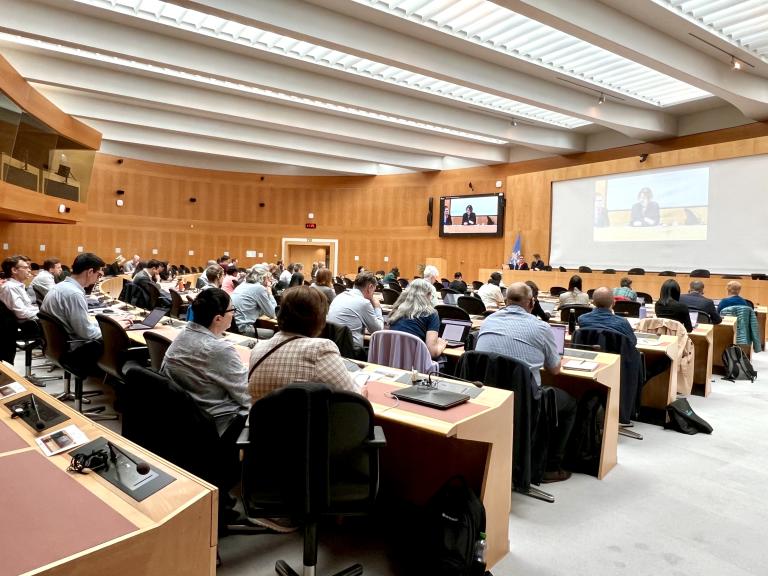
Discussions were organized around three main streams: solutions for businesses, solutions for policy, and solutions for capacity development.
The solutions for businesses stream explored how atmospheric observations can be transformed into decision ready products, such as dashboards, visualizations and curated datasets, including through integration with third party platforms. Participants identified both opportunities and gaps – particularly in actionability, accessibility, communication of uncertainty and sustainable financing – and discussed how standardized guidelines, blended finance and closer collaboration between scientists and decision makers could help turn climate data from a regulatory cost into a competitive advantage.
In the solutions for the policy stream, participants shared concrete examples of how atmospheric data are already informing national and subnational climate policies, improving emissions inventories, identifying sources, and strengthening enforcement. Case studies from cities and countries across several regions demonstrated how observations have led to policy adjustments and more credible reporting, while also revealing persistent gaps in infrastructure, human capacity, long term funding and science – policy interfaces.
The capacity development stream emphasized that capacity goes well beyond technical skills. Sustainable information systems require people, resources, governance, coordination and long term financing across the entire data value chain. Participants called for tailored capacity pathways, stronger communities of practice, user driven system design and multidisciplinary collaboration to move from isolated activities toward systemic, scalable change.
Marketplace of ideas
A central feature of the Summit was the Marketplace of Ideas, which showcased IG3IS flagship initiatives and enabled direct exchange between solution providers and potential users. The format fostered networking, highlighted success stories and generated in depth discussions on applying IG3IS approaches in diverse national and sectoral contexts. The six Marketplace spots included solutions from New Zealand, Switzerland, Canada, Spain, Germany, and the Integrated Carbon Observation System (ICOS) Cities Project.
Proposal development workshop
A dedicated Proposal Development Workshop supported selected countries in exploring how IG3IS methodologies can be embedded into mitigation projects to improve MRV and strengthen proposals for climate finance. Participants from 14 countries engaged in interactive group discussions on how observation-based approaches can clarify the impact of climate actions and help track progress toward their countries' NDCs. The participants also received guidance on developing proposals to access climate finance, especially for mitigation actions. The workshop was a collaborative effort by IG3IS, the Climate Risk and Early Warning Systems (CREWS) initiative, the Development Partnerships and Program Delivery (DPPD) unit of WMO, and the NDC Partnership.
Strengthening global collaboration
Over the course of three days, participants observed significant advancements achieved in recent years regarding the utilization of observations-based estimates of emissions and removals data. However, they also identified existing resource and capacity gaps. This dialogue prompted a reflection on the necessity of disseminating knowledge not only to individuals who have extensively engaged with IG3IS methodologies and possess considerable experience, but also to those currently working to implement these approaches in their respective countries.
The Summit reaffirmed the role of IG3IS as a global coordination mechanism that facilitates dialogue among scientific communities and end users. It emphasized the sharing of best practices and provides support to countries and stakeholders in the deployment of credible emissions data for informed policy making, investment decisions, and climate action initiatives. Collectively, these efforts contribute to a more transparent, effective, and equitable global response to the challenges posed by climate change.
Summit materials
A detailed agenda with presentation links is available here.