
Scientists and experts gather in the United Kingdom to shape the future of global climate observation
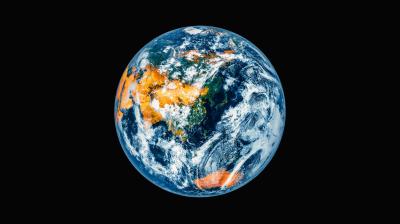
As climate risks accelerate and decisions increasingly depend on trusted data, the global system that observes Earth’s climate has never mattered more. From satellites orbiting thousands of kilometres above the planet to research stations in Antarctica, it tracks Essential Climate Variables - including temperature, sea level, greenhouse gases and ice cover - allowing scientists to detect long-term trends and help governments prepare for future risks.
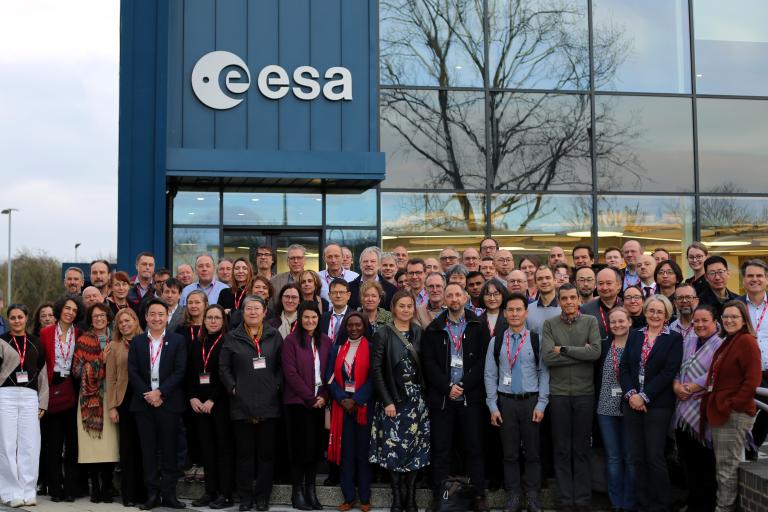
Ensuring these observations remain reliable over decades requires constant coordination and review. Against this backdrop, specialists from space agencies, research institutes, observing networks and international organisations, including iClimateAction, met in February 2026 at the European Space Agency’s European Centre for Space Applications and Telecommunications in Harwell, United Kingdom, for the fourth GCOS-WGClimate Joint Panels Meeting.
The gathering focused on how well the Global Climate Observing System is functioning, where gaps or risks to long-term measurements remain, and what priorities should guide improvements in the years ahead.
To answer these questions, participants looked at whether observations adequately cover the planet, whether satellite data streams are secure over time, whether monitoring networks can be sustained, and whether climate data, and whether climate data are properly stored, shared and accessible.
One recurring theme was fragility. Some observing networks face funding pressures or ageing infrastructure; in other areas, data continuity depends on a small number of institutions, creating potential gaps along the value chain.
At the same time, new satellite technologies, a growing commercial space sector and powerful advances in data processing and artificial intelligence are reshaping how the planet can be observed and understood.
Without sustained and coordinated observations, we are navigating climate change with an incomplete map, said Paolo Laj, coordinator of iClimateAction. “What is at stake is our ability to keep the data guiding decisions that are robust and trusted. Meetings like this make shared judgement possible across the global observing community, helping focus attention on what matters most and where it must go next.
What made the Harwell meeting distinctive was the breadth of expertise in the room. Communities that often work separately such as space agencies, in-situ networks, research programmes, operational services and data centres, stepped back to examine the system collectively rather than through institutional lenses.
The aim was less about defending individual programmes and more about understanding how the global integrated system functions as a shared public good and how to improve it.
That perspective matters. Climate observation is not only a scientific enterprise but also a geopolitical one, requiring long-term international cooperation in a period of shifting priorities and budgets.
For more information on the project, please visit the iClimateAction website.
For more information on the GCOS-WGClimate-iClimateAction Joint Meeting (GCOS-JPM-4-iCA), please follow GCOS event.