
The Associated Programme on Flood Management at 25: A global commitment to resilience
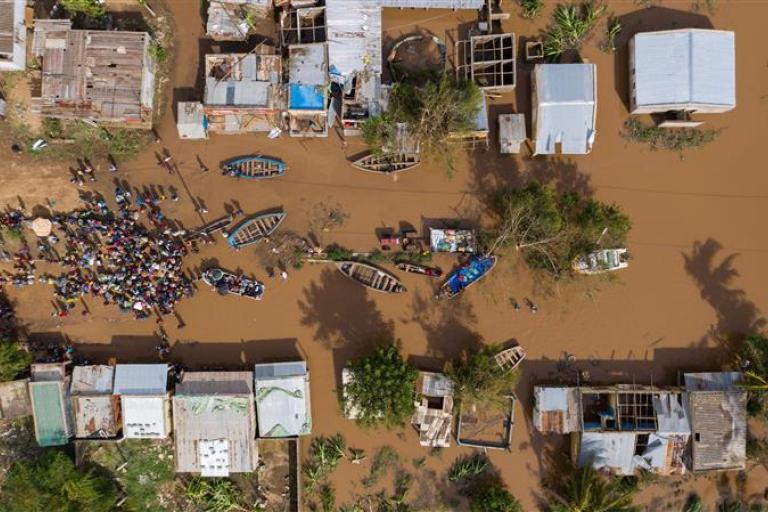
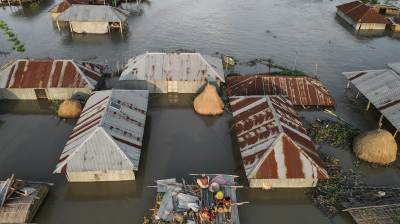
For 25 years, the Associated Programme on Flood Management (APFM) has supported countries in strengthening flood preparedness and resilience. Floods remain the most frequent natural hazard worldwide, accounting for more than 40% of recorded natural disasters and causing significant loss of life, economic damage and disruption to communities. Addressing these challenges requires coordinated action, robust science, and strong partnerships.
Established in 2001 as a joint initiative of the World Meteorological Organization (WMO) and the Global Water Partnership (GWP), APFM promotes the concept of Integrated Flood Management (IFM). This approach integrates flood risk management with water resources planning and land use management in river basins, helping countries minimize flood-related losses while maximizing the benefits derived from floodplains.
Building resilience through integrated flood management
Reflecting on the programme’s achievements and continued importance, Ko Barrett, WMO Deputy Secretary-General, emphasized the value of the partnership and its impact:
“APFM has built a trusted and effective platform that enables our Members to access the tools, partnerships and expertise they need – especially at a time when devastating floods around the world remind us that flood preparedness is an urgent national priority”.
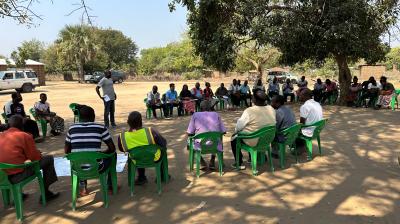
The programme has implemented more than 20 pilot projects worldwide. These include the Volta Basin Flood and Drought (VFDM) project in West Africa, which strengthened transboundary integrated early warning systems and coordinated flood and drought risk management across six countries, as well as the ongoing Water at the Heart of Climate Action (WHCA) initiative, which aims to scale up hydrometeorological monitoring, forecasting and early warning services for resilience to water-related hazards in the Nile Basin.
APFM has organized more than 30 regional and national workshops, delivered technical guidance and established the Integrated Flood Management (IFM) HelpDesk, which provides tailored support to practitioners, policymakers, researchers, international organizations, NGOs and private companies. Since its creation, it has responded to more than 700 requests, covering areas such as policy development, the design of flood risk management strategies, pilot projects and capacity building initiatives. By linking experts with local institutions, the HelpDesk has helped translate global knowledge into practical solutions on the ground.
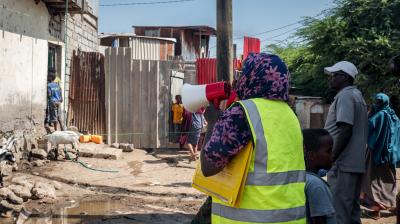
APFM also contributes to the Early Warnings for All initiative (EW4All) through projects that expand early warning coverage, promote early action and strengthen community resilience.
Inclusiveness is a core priority of APFM’s work. Many of its initiatives promote gender equality, youth engagement and community participation, helping ensure that resilience efforts reflect local needs and empower vulnerable groups.
The annual Support Base Partners Forum
A key strength of APFM lies in its network of more than 30 Support Base Partners, including national hydrometeorological services, academic institutions, international organizations and private sector entities. Through these partnerships, experts from across regions and sectors share knowledge, tools and experience to advance integrated flood management and strengthen flood resilience worldwide.
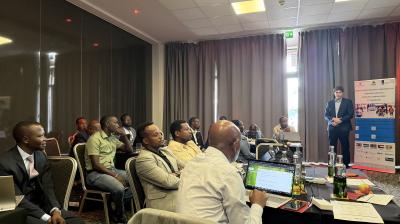
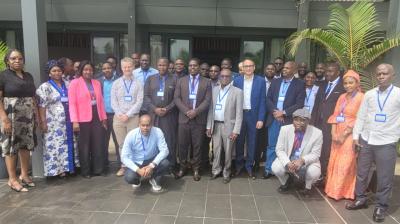
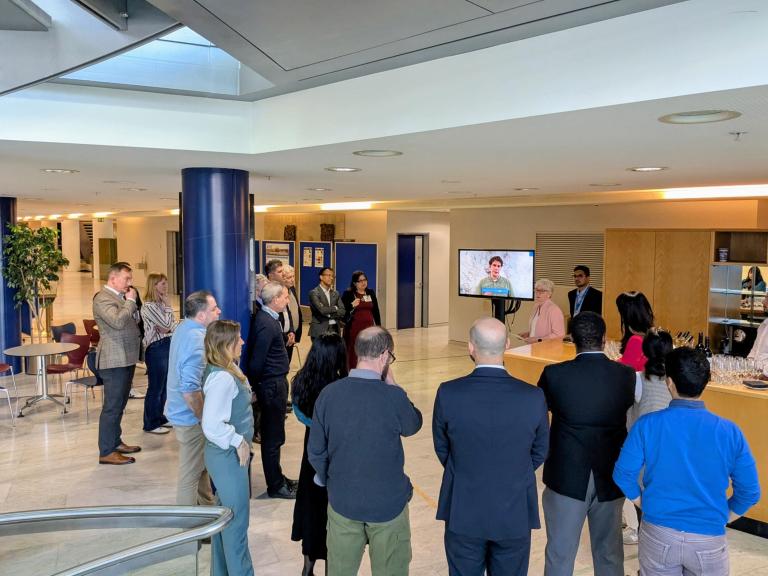
The annual Support Base Partners Forum provides a platform for coordination and strategic dialogue within this network. Each year, partners meet to review progress, identify opportunities for collaboration and discuss emerging priorities and innovative approaches in flood risk management.
This year’s forum coincided with the 25th anniversary of APFM’s establishment and provided an opportunity to reaffirm the programme’s commitment to supporting countries facing increasingly complex water-related risks.

During the event, the APFM Technical Support Unit (TSU) presented its draft Implementation Plan for 2026 – 2028, which outlines strategic priorities and operational directions for the next three years. The plan aims to ensure that APFM continues to deliver effective support to its partners and member countries in a rapidly evolving risk landscape.
Looking ahead
As climate variability and socio-economic pressures increase flood risks worldwide, the need for integrated, partnership-based approaches has never been greater. The experience and network built by APFM over the past 25 years position the programme as a trusted platform for advancing flood resilience. Continued cooperation among governments, international organizations and technical partners will remain essential to help countries build safer and more resilient communities.