Winning youth-led projects tackle flood risks in Nigeria and Uganda
The Global Integrated Flood and Drought Management Youth-Led Projects Competition, organized by the Associated Programme on Flood Management (APFM) and the Integrated Drought Management Programme (IDMP), joint programmes of the World Meteorological Organization (WMO) and the Global Water Partnership (GWP), supports young innovators in developing practical solutions to flood and drought risks. The 2025 winning projects in Nigeria and Uganda are now being implemented on the ground, helping communities strengthen their resilience to flooding.
The competition encourages young people to develop practical project solutions that support integrated water resources management and climate resilience, in line with the goals of Early Warnings for All (EW4All).
Selected teams receive mentorship, capacity building opportunities and visibility within global water and climate networks, enabling them to implement community-focused projects that strengthen resilience to flood and drought and can be scaled in different regions through WMO and GWP initiatives.
In 2025, the competition received 334 project proposals from around the world, reflecting growing youth engagement in addressing water-related challenges.
GreenQuest: Flood Resilience through Gamification and Community Action (Nigeria)
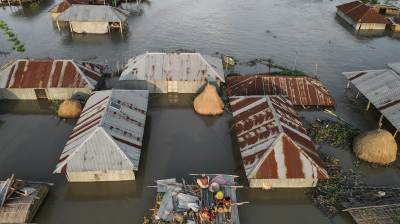
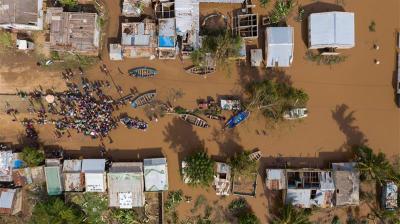
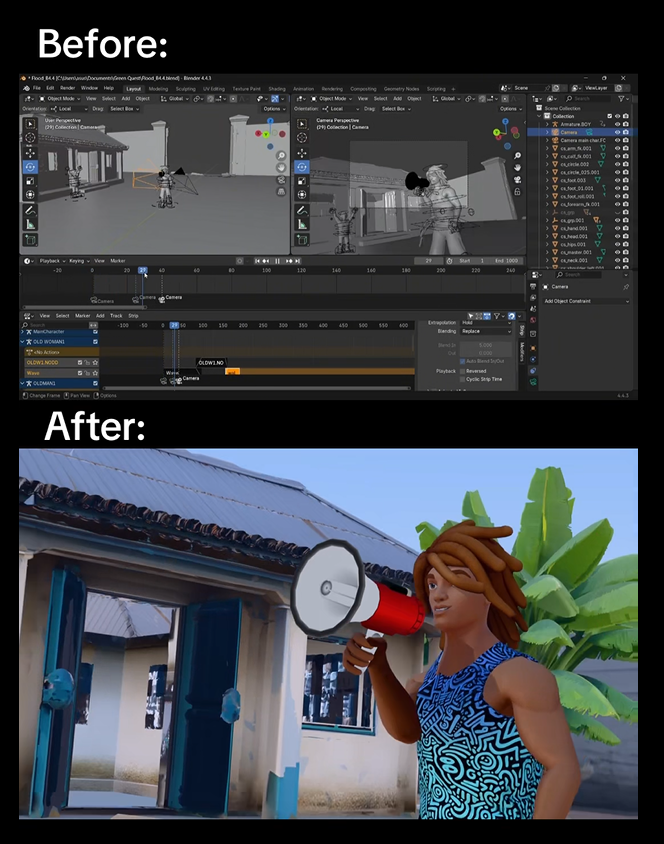
Nigeria faces intensifying climate impacts, with recurrent floods displacing communities, damaging infrastructure and increasing public health risks. GreenQuest aims to strengthen flood resilience in three high-risk, low-income communities in Lagos State, Makoko, Bariga and Iwaya, through interactive, game-based learning on flood preparedness, early warning systems, waste management and community engagement.
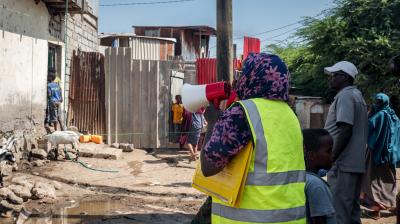
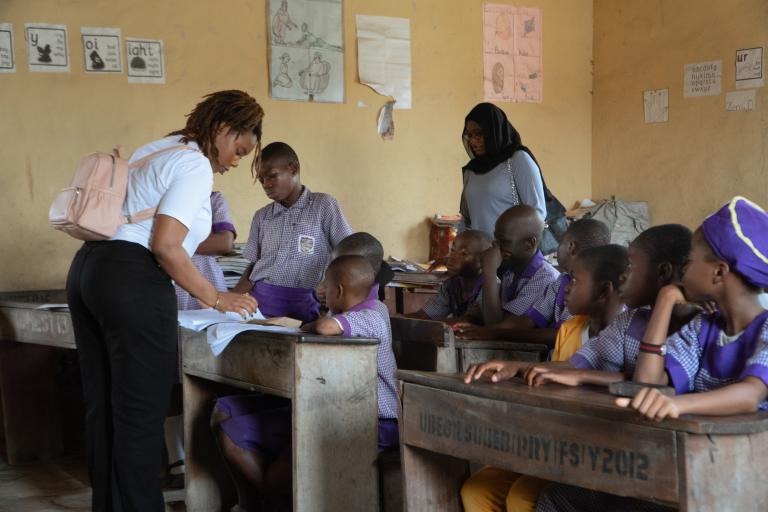
Since the launch of the project, the GreenQuest team has made steady progress. Community engagement activities were held in Ikorodu, Lagos State, including sessions at Itolowo Primary and Secondary School with 20 students and 5 teachers. Discussions focused on how flooding affects school attendance, safety, and infrastructure. Stakeholder consultations were also conducted in the Ebute Iga community.
Through storytelling and open discussions, the team collected qualitative data on the causes of recurring floods, local coping strategies and gaps in early warning systems, drainage infrastructure and youth-focused education. These insights are now being incorporated into the GreenQuest game prototype, which will translate community knowledge into interactive learning experiences for young people.
SV4CASH: Smart village for climate action self-help (Uganda)
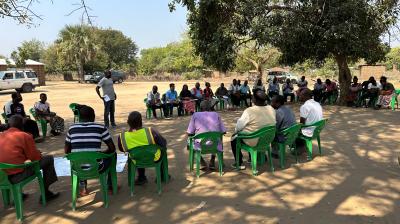
SV4CASH focuses on strengthening flood resilience in Elegu Town Council in northern Uganda, where the River Unyama frequently overflows during heavy rains.
The project promotes a “self-help” approach to climate resilience, encouraging communities to move from dependence on external support toward collective local action. Planned activities include youth-led flood vulnerability mapping, community-based early warning initiatives, training programmes on sustainable practices and locally designed flood mitigation measures.
Initial activities have focused on research, planning, and stakeholder mapping. Assessments of historical flood events and previous intervention efforts are underway, supported by the collection of topographical and satellite data. Flood hazard maps are also being planned. This process will combine data analysis with geographic information system (GIS) processing and hydrological modelling to assess flood probability and potential impacts across the town.
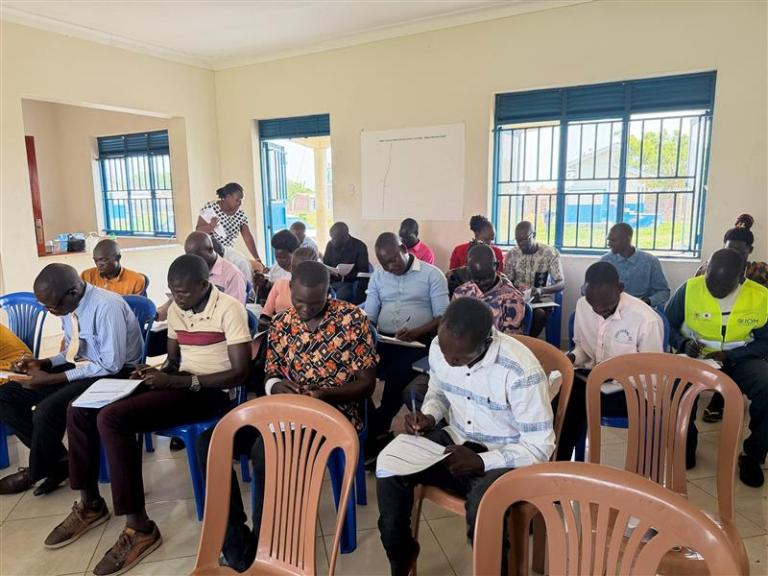
The project team also organized an inception meeting with community members in February 2026. These early steps have helped define the project’s implementation framework and strengthen collaboration with local stakeholders as the initiative moves towards field-based activities. The youth-led projects in Nigeria and Uganda are now moving from planning to implementation, with early activities already underway in both communities. As they develop, they offer practical examples of how locally driven solutions can strengthen flood resilience.
- Region:
- Region I: Africa