Southern African countries work to improve quality management in meteorology
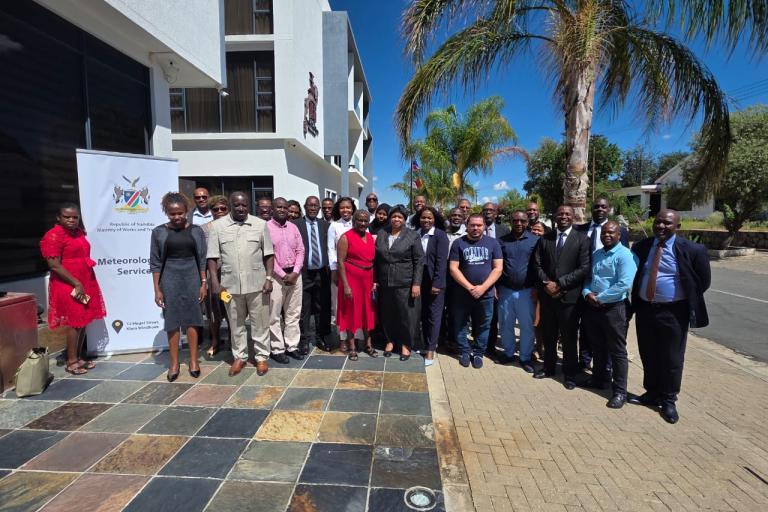
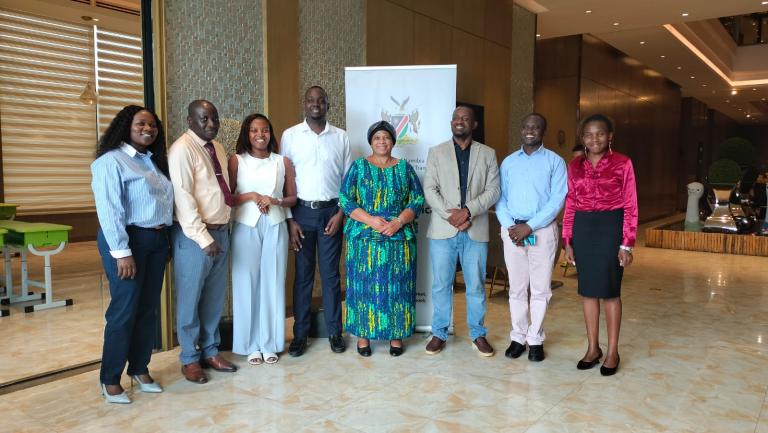
Meteorological experts from all 16 Southern African Development Community (SADC) countries gathered in Windhoek, Namibia, from 18 to 20 February 2026 for a regional training workshop on Quality Management Systems (QMS) aimed at strengthening the delivery of weather, water, and climate services across the region.
The training was organized with the support of the World Meteorological Organization (WMO) and hosted by the Government of Namibia.
Why quality management matters
The delivery of accurate, reliable and timely meteorological information is critical for public safety, disaster risk reduction, aviation operations, marine services and climate adaptation. In aviation meteorology in particular, compliance with international standards established by the International Civil Aviation Organization (ICAO) and WMO is essential to ensure the safety and efficiency of flight operations.
Despite progress in recent years, many National Meteorological and Hydrological Services (NMHSs) across Africa continue to face challenges in implementing QMS required for aviation meteorological services. These systems are expected to align with the ISO 9001 quality management standard, which sets internationally recognized procedures for ensuring consistent and reliable services.
A regional assessment conducted in 2022 during a joint WMO - ICAO workshop found that 66% of assessed Members require support to implement QMS in their aviation meteorological services. Several services are also still transitioning from the earlier ISO 9001:2008 version of the standard to the updated ISO 9001:2015 framework.
Building capacity through regional cooperation
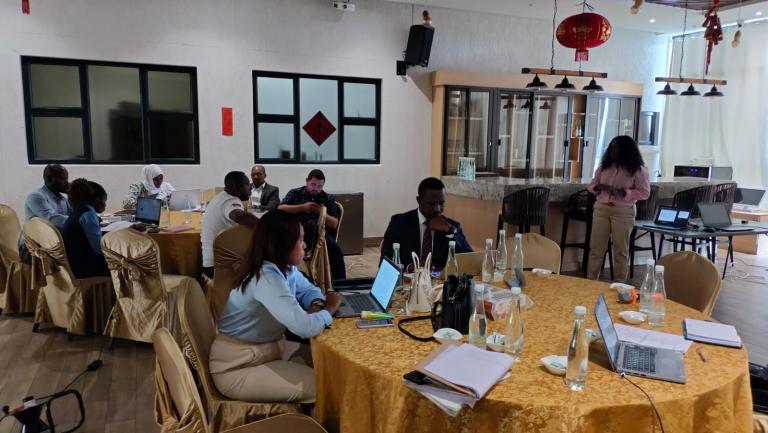
The Windhoek workshop aimed to equip meteorological personnel with practical skills to establish, maintain, and improve QMS within their institutions. Participants deepened their understanding of ISO 9001:2015 requirements, WMO quality management guidelines, and sector-specific applications in aviation meteorology, marine and hydrological services, climate services, and early warning systems.
Over three days, participants explored the core principles of quality management, examined regulatory frameworks and international standards, and shared national experiences in implementing QMS. The discussions also focused on identifying gaps and practical steps for strengthening QMS within NMHSs.
Strengthening quality systems across the region
Participants highlighted the importance of stronger collaboration and peer-to-peer support among NMHSs, as well as sustained investment in infrastructure, staff capacity and digital systems for documentation and customer engagement. Strengthening leadership commitment to quality assurance processes was also identified as a key factor for successful implementation.
The workshop further called on WMO to continue supporting regional training activities, facilitate compliance surveys, and establish a community of practice on QMS management in Africa.
This training builds on similar capacity development initiatives in other parts of Africa, including a QMS workshop held in Entebbe, Uganda, in 2025 for eastern African countries. It forms part of ongoing efforts under the WMO Capacity Development Strategy to enhance competencies, strengthen institutional frameworks and ensure that meteorological services across Africa meet international standards.
By reinforcing QMS, meteorological services in southern Africa are working to improve the reliability and consistency of weather, water, and climate services, supporting safer aviation operations and more resilient communities.
- WMO Member:
- Namibia
- Region:
- Region I: Africa