
Building disaster resilience in Barbados' tourism sector: Lessons from Atlantis Submarines
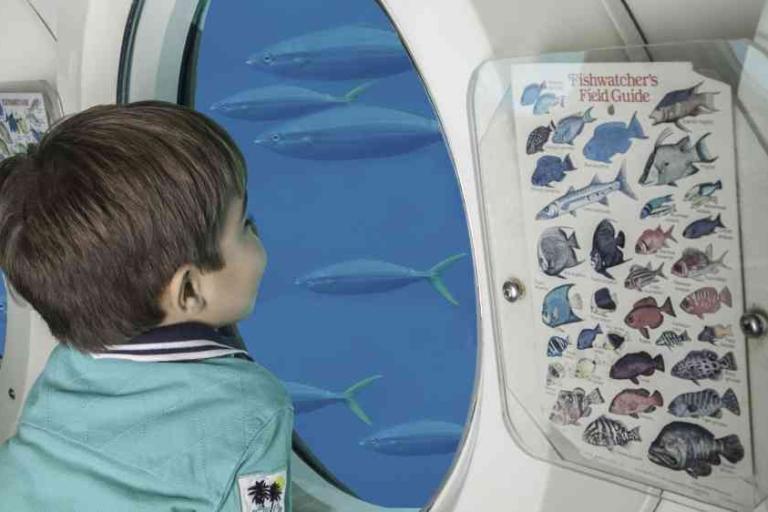
At Atlantis Submarines (Barbados) Inc., a small and medium-sized tourism enterprise offering underwater submarine tours, resilience has always been part of the journey. Operating within Barbados’ tourism sector, where visitor safety, service reliability, and reputation are critical, the company has long recognized the importance of preparedness. Before embarking on their business continuity planning process, CEO Robert Hinds and his team had already considered many core elements of a strong plan.
However, after attending the UNDRR-BCCI Training of Trainers (ToT) workshop on “Strengthening the disaster resilience of (M)SMEs in Barbados” and reviewing Atlantis Submarines’ draft Business Continuity Plan (BCP), Robert recognized that the company’s challenge was not a lack of preparedness, but the need to bring existing practices together into one clear, accessible and actionable document.
From informal preparedness to structured continuity planning
Like many smaller businesses in the tourism sector, Atlantis Submarines had informal measures in place to respond to disruptions like weather events, power outages, and supply chain delays. While these arrangements had served the business well, they were not formally documented into a single, user-friendly plan. A persistent concern was balancing inventory costs against unpredictable disruptions. “We had plans for all known events,” Robert explained, “but the greatest challenge was supply chain disruption.”

The customized BCP templates introduced during the ToT workshop provided a practical foundation. Robert noted that while the templates were a helpful starting point, the real value came from adapting them to Atlantis Submarines’ specific activities and operational realities within the tourism sector, making it easier to administer. The process itself was eye-opening. It enabled management to consolidate existing documentation, identify gaps and establish clearer strategies to address them.
Cross-sector learning strengthens tourism MSMEs
One of the most impactful aspects of the workshop was the opportunity to interact with MSMEs from a wide range of sectors. For Robert, this exchange reinforced how interconnected businesses are—particularly within the tourism sector, where disruptions in one area can quickly ripple across transport, hospitality, utilities, and visitor services.
“There is much to learn for all,” he reflected, noting that exposure to different approaches and systems strengthened analytical thinking and broadened perspectives on resilience.
Simulation exercise to test BCPs and leverage existing strengths

The simulation exercise at the workshop added an important, practical dimension to the BCP process. With realistic scenarios and injects woven into the sessions, participants were able to test their plans under pressure and examine them against real-world challenges. Robert described the experience as a “great bonus,” noting how even seemingly well-prepared organizations can refine and strengthen their response strategies.
While no major vulnerabilities were uncovered for Atlantis Submarines, the exercise highlighted opportunities for growth, particularly around crime preparedness. At the same time, it also confirmed the importance of continuous testing and review, especially in tourism operations where public confidence and safety are central to business continuity.
The exercise also underscored existing strengths within Atlantis Submarines. Monthly company-wide meetings and an evolving safety committee provide regular opportunities for staff engagement on safety, health, quality, and sustainability. These forums provide a powerful platform for communication, collective input and shared responsibility – key ingredients for embedding resilience across the organization.
By actively involving employees in discussions around risk and preparedness, the company strengthens its ability to respond effectively to disruptions while maintaining service standards expected by visitors.
Innovation and confidence for the future
Participation in the ToT workshop and simulation boosted confidence among management and staff alike for all companies. Exposure to continuity systems used in other industries sparked new ideas, such as exploring satellite-based internet services to strengthen preparedness. “The input from all the companies created a more analytical environment,” Robert explained, underscoring the value of peer learning and collaboration in strengthening MSME resilience.
In the tourism sector—where visitor safety, operational reliability, and reputation are inseparable—the experience of Atlantis Submarines shows that resilience is not a one-time exercise or a static document, but a living system shaped by people, processes, and continuous learning. By strengthening what they already did well and integrating new insights from the UNDRR-BCCI workshop and simulation exercise, the company is now better equipped to anticipate and navigate disruptions, protect its team, and maintain the confidence of visitors. In doing so, Atlantis Submarines is not only safeguarding its own operations, but also contributing to a stronger, more resilient, and interconnected tourism ecosystem in Barbados.
“The training showed us that we are all interconnected—and that every business, no matter how strong, can keep improving its continuity planning.” - Robert Hinds, CEO, Atlantis Submarines (Barbados) Inc.
- WMO Member:
- Barbados