

Beyond the thermometer: rethinking how we measure heat risk
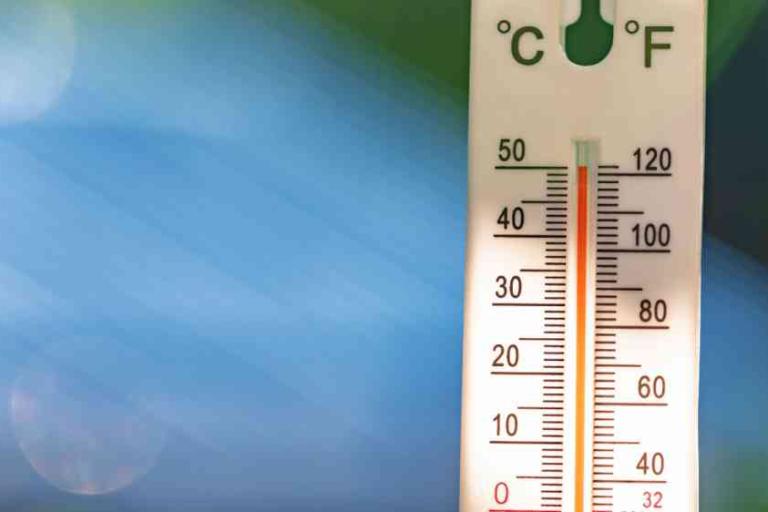
Heat is measured using a range of meteorological, environmental, and impact-based indicators.
While some metrics solely capture temperature, others attempt to convey how heat is experienced. Air temperature, typically measured in degrees Celsius, is the most common metric. However, this measurement alone does not give the full picture of heat risk.
To better assess human exposure, composite indices such as the heat index or wet-bulb temperature combine temperature with humidity to indicate how hot conditions affect the human body. Other measurements, such as nighttime minimum temperatures, are also critical as persistently warm nights increase health risks by preventing physiological recovery.
Discover the latest on measuring heat.
Who are current heat metrics designed for? And who do they miss?
Most heat safety guidelines and thresholds were originally developed around average adults in controlled environments. Meaning the people who shoulder the greatest burden of heat exposure were often not considered. This gap matters because a child walking long distances in a humid city, an agricultural worker in midday sun, or an older adult without reliable cooling can experience dangerous heat stress at levels that fall below official “alert” thresholds. In practice, this means many vulnerable populations are left outside the margin of protection simply because the metrics we use are not built for their reality.
This disconnect highlights a broader point that runs through efforts to improve heat risk measurement. Namely, who we take into account when creating metrics matters as much as what we measure. When thresholds are calibrated to the most common or convenient conditions, they can miss early signs of danger for people whose physiology, work contexts, or living conditions make them more sensitive to heat. Read more to find grounded examples and expert insights on how current thresholds fall short and what heat metrics could look like when designed with vulnerable populations in mind.
What standard heat metrics miss: The risks of chronic heat
While headline-grabbing heatwaves capture attention, this article explains that sustained exposure to elevated heat over time, what scientists call chronic heat, is a growing public health threat that often goes unreported, unmeasured and unaddressed.
The piece highlights how chronic heat can affect a range of health outcomes well before “extreme” thresholds are reached. Conditions such as cardiovascular and respiratory disease, dehydration, and heat exhaustion can worsen under sustained warm nights and persistently high daytime temperatures even if individual days do not set records. Vulnerable populations, including older adults and residents of low-income urban areas, are disproportionately impacted because they have fewer resources between warm days. Find out why standard heat measures that focus on peaks overlook patterns of sustained exposure and erode collective well-being.
How wet-bulb temperature is redefining heat risk in India
In India, a combination of rising heat, high humidity, and seasonal weather patterns are pushing many regions closer to a wet-bulb temperature that is dangerous for human survival. The integration of wind into wet-bulb temperature allows for estimates on how effectively the human body can cool itself through sweating. Once this threshold, around 35 °C wet-bulb, is approached or exceeded, even healthy adults under shade and with unlimited water can struggle to cool down and maintain core body temperature.
Importantly, the following piece frames this not as abstract science but as a matter of life and death for those least able to adapt. Vulnerable populations such as outdoor laborers, residents of informal settlements, people with chronic illness, and communities with limited access to cooling or health care are disproportionately affected when heat risk is measured only by conventional thermometers. Wet-bulb thresholds and other heat stress indicators that combine temperature with humidity give planners and health systems a better chance at minimizing losses. Learn more about how these proactive tools, combined with proper heat action planning, can increase heat resilience.
Towards heat metrics for better decision-making
As cities grapple with rising temperatures, relying solely on the familiar thermometer measure gives an incomplete picture of how heat affects people and communities. Traditional metrics like air temperature and satellite-derived land surface temperature help scientists track broad trends, but they do not fully capture how heat is experienced by individuals. This is especially true in varied urban environments where humidity, shade, wind, and built surfaces all interact.
To address this gap, experts are turning to a wider set of metrics that reflect the multiple dimensions of heat exposure. Metrics such as the heat index adjust air temperature based on humidity to estimate how hot conditions feel; while wet-bulb globe temperature incorporates sunlight and wind which are key influences on human heat stress.
Using a broader set of heat measurements, such as thermal comfort modeling, matters because heat risk is not uniform across space or populations. Two neighborhoods with the same air temperature can yield very different health outcomes if one has abundant green space and the other is comprised of primarily heat-absorbing surfaces. Read more on how selecting the right metrics can help decision-makers and communities more accurately identify vulnerable groups and tailor responses that reduce heat harm.
Better metrics, better protection
Extreme heat cannot be managed with incomplete measurements. A single thermometer reading cannot capture humidity, night-time heat persistence, cumulative exposure, or the physiological limits of different populations. Nor can standardized thresholds built around average conditions fully protect those whose age, health status, occupation, or housing make them more vulnerable.
When heat is measured narrowly, risk is defined narrowly. However, when we expand the metrics we use, we can expand who we protect. The way we measure heat is a matter of equality; it determines whose risk counts and whose protection is prioritized.
From data, we have the power to ensure everyone can #BeatTheHeat.