Shaping the Future of Weather Modification: Science, Responsibility and Global Cooperation
Weather modification is re-emerging as a topic of global relevance at a time of intensifying water scarcity, increasing climate extremes, and rapid technological advancement. Improvements in cloud observations, uncrewed aircraft systems, artificial intelligence (AI) and high-resolution modelling are expanding what is technically possible, while simultaneously raising questions about responsibility, governance and public trust. Against this backdrop, the international community is re-examining how weather modification can be pursued transparently, scientifically and in public interest.
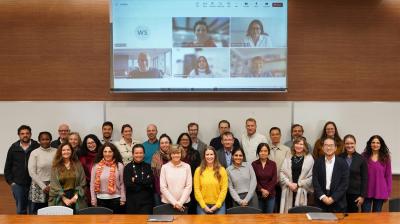
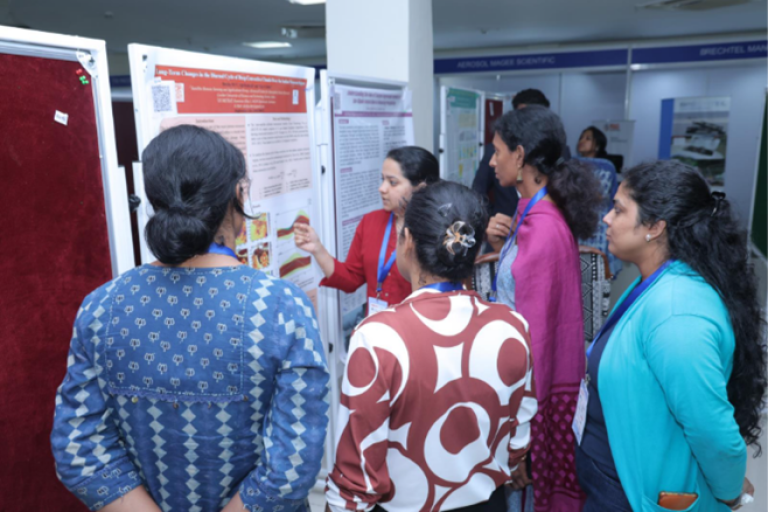
These questions framed the 11th WMO Scientific Conference on Weather Modification, held from 3 to 7 November at the Indian Institute of Tropical Meteorology (IITM) in Pune, co-organized with the Expert Team on Weather Modification under the WMO World Weather Research Programme (WWRP). Bringing together more than 220 scientists, practitioners and policymakers, the five-day conference provided a forum to share recent advances and to reflect on how research, operations and governance are evolving together.
Across more than 16 sessions, discussions highlighted a noticeable shift in the field: from evaluating whether weather modification works toward how it can be integrated into operational decision-support systems. Presentations explored the use of artificial intelligence, nowcasting tools and uncrewed aerial vehicles to support real-time cloud-seeding decisions, optimize targeting strategies and enhance situational awareness for meteorological services. Rather than treating AI as a post-processing tool, several sessions examined its role in guiding operational choices and, in some cases, enabling semi-autonomous weather-modification activities.
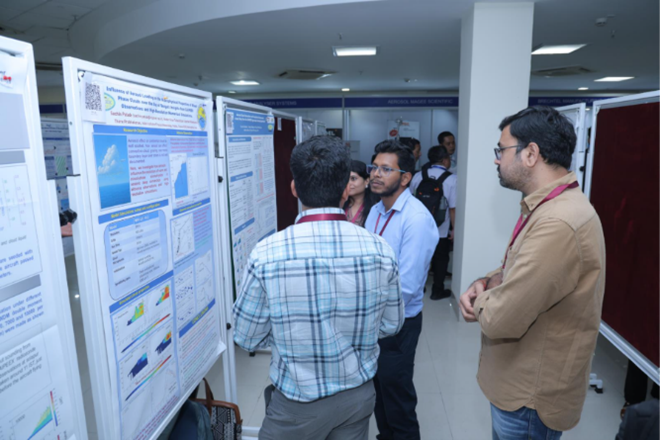
Governance, transparency, and stakeholder engagement emerged as cross-cutting themes throughout the conference. A dedicated panel on ethical, legal and social implications explored challenges in public communication, differing cultural perceptions of nature and the need for inclusive dialogue among scientists, policymakers and affected communities. These discussions resonated strongly with the updated WMO Statement on Weather Modification, approved by the 79th Executive Council in June 2025, which emphasizes transparency, international cooperation, and responsible practice.
Capacity development and continuity of expertise were also central to the conference design. Early career scientists accounted for a third of participants and were actively involved as presenters, rapporteurs and contributors to session and poster summaries. This structured engagement reflected a deliberate effort to strengthen global capacity and ensure the long-term scientific foundations of weather-modification research.
The conference reinforced WMO’s role as a neutral platform for scientific exchange, standard-setting and dialogue. It highlighted the need to align innovation with responsibility, ensuring that advances in weather-modification science are accompanied by robust governance frameworks and international cooperation for the benefit of society and the environment.