

Four good practices for mental health support across disasters
News was produced by: UNDRR
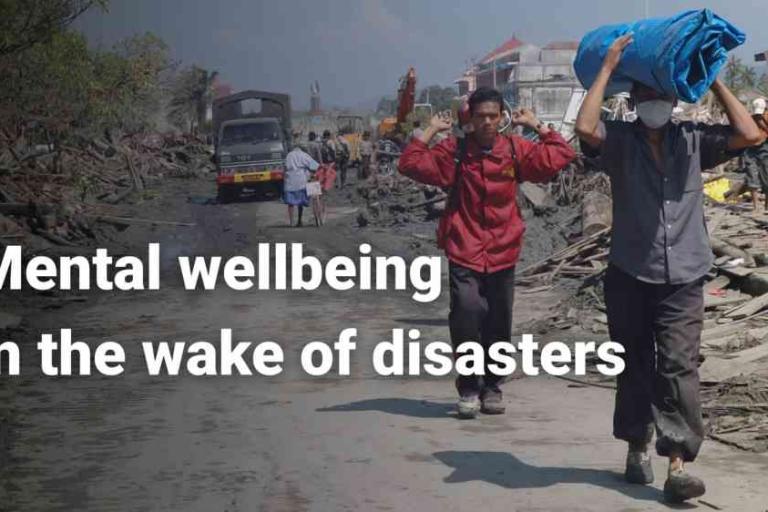
Disasters - whether floods, hurricanes, or heatwaves - take a heavy toll on mental health, from anxiety and stress to long-term trauma. This World Mental Health Day, observed on 10 October, centres on mental health during humanitarian emergencies – including disasters. We have the power to prepare and build resilience before disaster strikes. These inspiring mental health initiatives help communities and emergency workers cope, recover, and develop mental resilience in the face of disasters.
From meditative workshops in Puerto Rico to governance frameworks in Australia, these examples show how action that prioritises mental health can make a real difference – before, during, and after disasters.
Serious fun: Using humour and acrobatics to boost mental health in a changing climate
The Red Cross Red Crescent Climate Centre and the Wellcome Policy Lab are turning climate anxiety into creative connections. Nearly 40 workshops used humour, theatre, juggling, and ‘cartoonathons’ to help people explore how climate change affects mental health. The playful, creative approach helped reduce anxiety, build trust, and spark new ideas for resilience and mental-health considerate policy.
Stronger minds: Australia’s framework for disaster mental health
The Australian National Mental Health Commission's Disaster Mental Health and Wellbeing Framework is bringing agencies together to better protect mental health before, during and after crises. It funds initiatives such as the Black Dog Institute’s mental health support service for emergency workers - offering peer connection, counselling, and trauma resources - and expanding the networks of trained psychologists across the country. By centring lived experiences, the framework turns recovery into a shared national effort.
Keeping calm in the eye of the storm: Puerto Rico’s emotional toolkit
Puerto Rico’s Post-Hurricane Healing programme is teaching residents across the island – teachers, parents, veterans, and children alike – a range of mind-body skills such as meditation, movement, journaling, and more. The reach of the programme is aided by its ‘train-the-trainer' model, where each trained person passes on resilience skills. After Hurricanes Irma and María, the programme built local mental capacity – which also helped in later emergencies on the island, including earthquakes and the COVID-19 pandemic.
Mind the flood response mental health gap: UK insurers step up
When floods hit, it’s not just homes that need fixing; stress, anxiety, and trauma rise too. Insurance provider Zurich UK is helping flood-affected clients in the United Kingdom bounce back by offering multiple counselling sessions, tackling the mental toll of disasters head-on. This shift recognises recovery isn’t only about infrastructure repairs – it’s about restoring peace of mind. Zurich UK is demonstrating the private sector’s potential to pair practical recovery with emotional support.
These examples remind us that recovery after disasters needs to be a holistic process, and thus include mental health considerations.
Innovative solutions are helping people face disasters with greater confidence and hope. As we take a moment on World Mental Health to applaud these efforts, we can learn, share, and inspire more ways to protect mental wellbeing across all stages of disasters.