

WMO at the 31st Conference of Parties (COP31) to the UNFCCC
From 9 to 20 November, Türkiye, Antalya, will host the 31st Conference of Parties (COP31) to the United Nations Framework Convention on Climate Change (UNFCCC). WMO's engagement at COP31 is closely aligned with the incoming COP31 Presidency's action agenda .
At COP31, WMO will continue to support Parties by providing authoritative scientific observations and information on the state of the global climate system, including through the launch of its flagship State of Climate update 2026, a science-based annual assessment of climate indicators and impacts on Earth Information Day on 09 November 2026.
COP31 is also an important opportunity to demonstrate how strengthened meteorological, hydrological and climate science capacities can accelerate action in a changing climate. In a year in which record-breaking extremes have had a cascading effect on all levels of society and the economy, and against the backdrop of an unprecedented El Niño, WMO will reiterate the importance of early warning systems as a proven and cost-effective means to strengthen resilience. From events on investments in Earth observations to presenting the science on greenhouse gas concentrations, heat and health, early warnings, and El Niño response, WMO will put science at the heart of COP31, making the case for sustained investment in the systems that protect us all.
- Contact information: wmo-cop
 wmo [dot] int (wmo-cop[at]wmo[dot]int)
- View the list of COP31 events organized by WMO
- View event photos on Flickr
- Jump to News and Publications
Live Updates
WMO at COP31: The Highlights
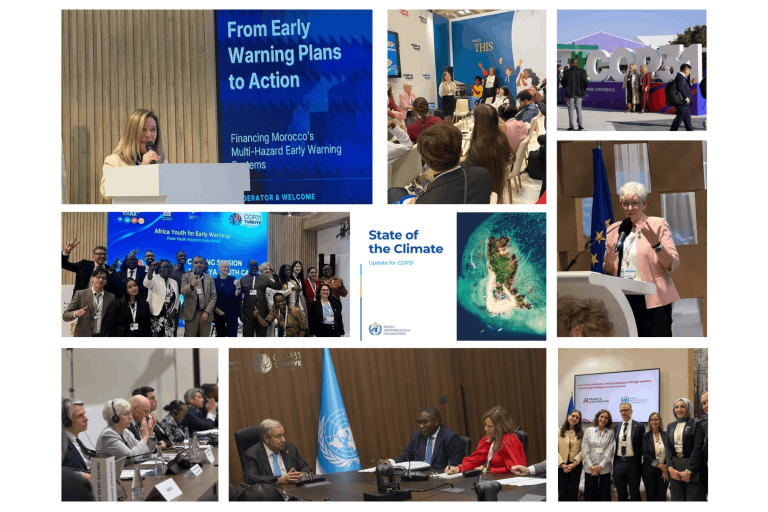
Intense days of discussions, new connections and a shared goal: turning climate science into action. As WMO wraps up its participation in COP31, here's a look back at the highlights.
WMO shared critical climate data to help countries prepare for the months ahead and championed turning that data into actionable early warnings for everyone, everywhere. It also called for sustained financing of the observation systems that make this possible and connected with the next generation of climate negotiators.
But the work doesn't stop at COP31. Follow WMO on our website and social media channels to stay up to date on what comes next.
Extending early warnings to everyone
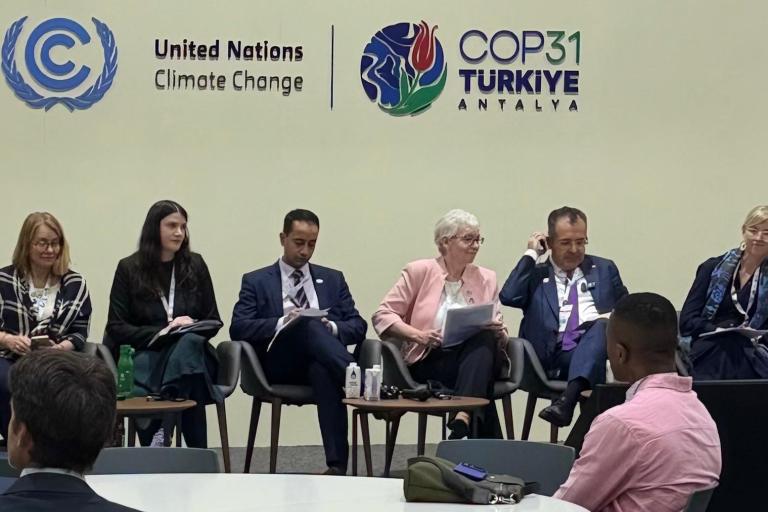
Millions remain without access to life-saving early warnings. WMO and partners explore how better observations, stronger institutions, local knowledge and artificial intelligence can extend early warnings to remote and fragile communities. The goal is to make early warnings a permanent public service, with national ownership and sustained support.
WMO Deputy Secretary-General Ko Barrett outlines future priorities for Early Warnings for All and calls for continued action beyond 2027.
Countries push for regional cooperation on water
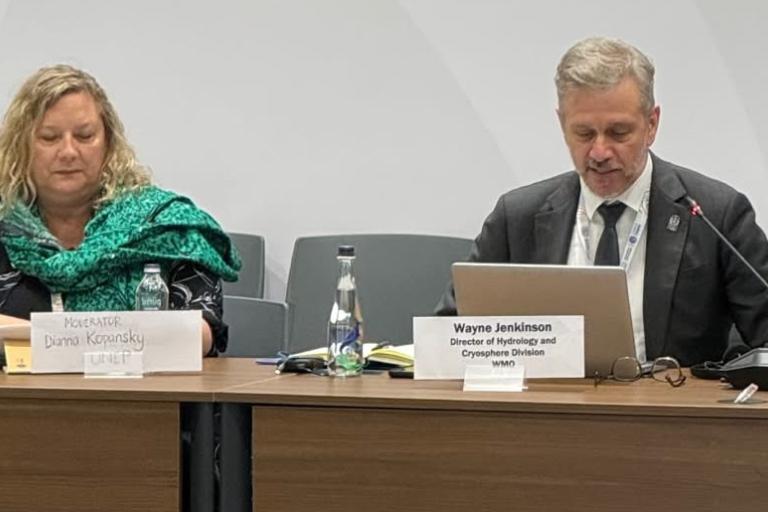
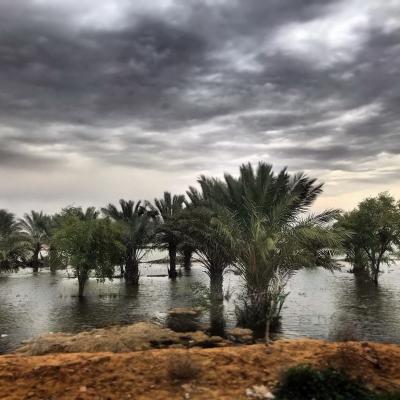
The COP presidencies of Türkiye, Brazil and Azerbaijan, with United Nations partners, lead the Baku Dialogue on Water for Climate Action at COP31. Cooperation over shared basins takes priority, with the Caspian Sea as a case study of the climate pressures facing inland waters.
Wayne Jenkinson, Director of the WMO Division of Hydrology and Cryosphere, joins the dialogue on how science and climate information can support national climate plans and strengthen ecosystem resilience.
OceanEye targets gaps in ocean observations
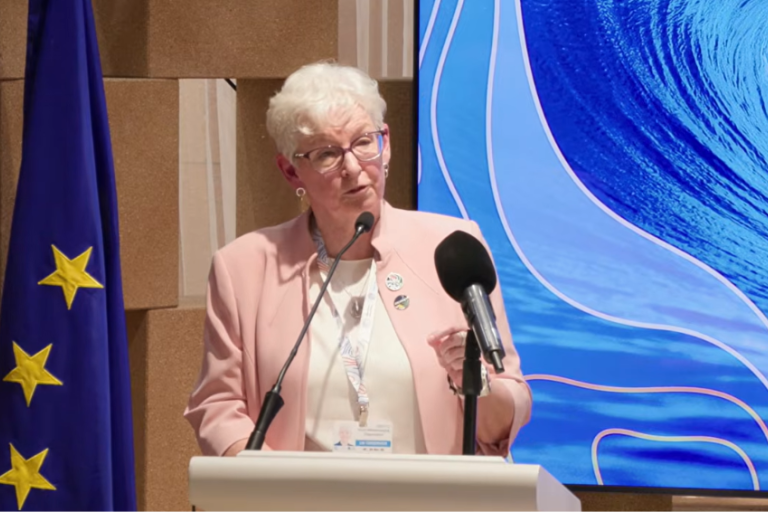
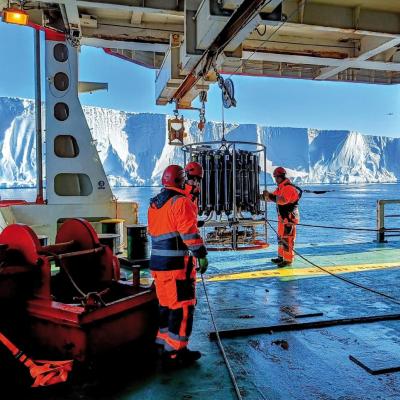
WMO joins the European Union, Canada and Intergovernmental Oceanographic Commission of UNESCO at COP31 to strengthen the Global Ocean Observing System.
The OceanEye International Alliance calls for wider participation to sustain observation networks, protect long-term records and close gaps in coverage. These observations support weather forecasts, safety at sea and coastal communities’ ability to prepare for climate hazards.
Rising seas test coastal infrastructure
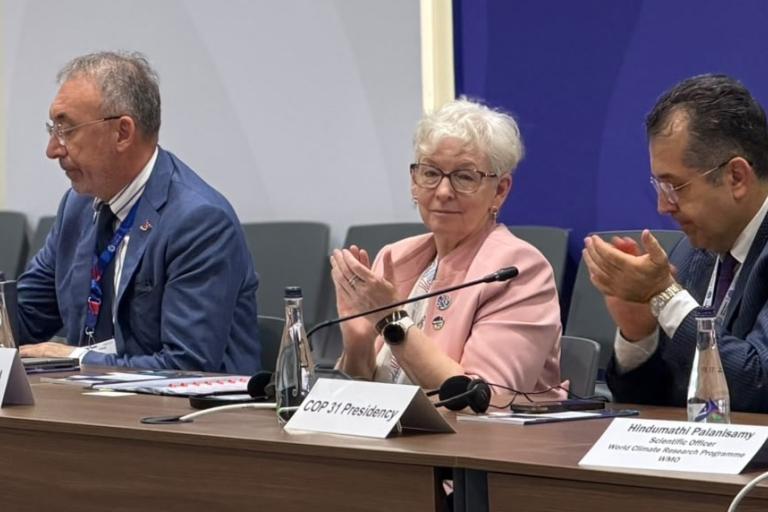
WMO Deputy Secretary-General Ko Barrett presents the latest State of the Global Climate ocean indicators and their implications for coastal communities and infrastructure.
Partners examine how ocean warming, marine heatwaves and rising seas affect livelihoods and ecosystems, and how better observations can guide adaptation. Examples include ecosystem restoration through Cuba’s Mi Costa project, early warnings in Fiji and preparedness through Weather Ready Pacific.
Stronger services for satellite-based warnings
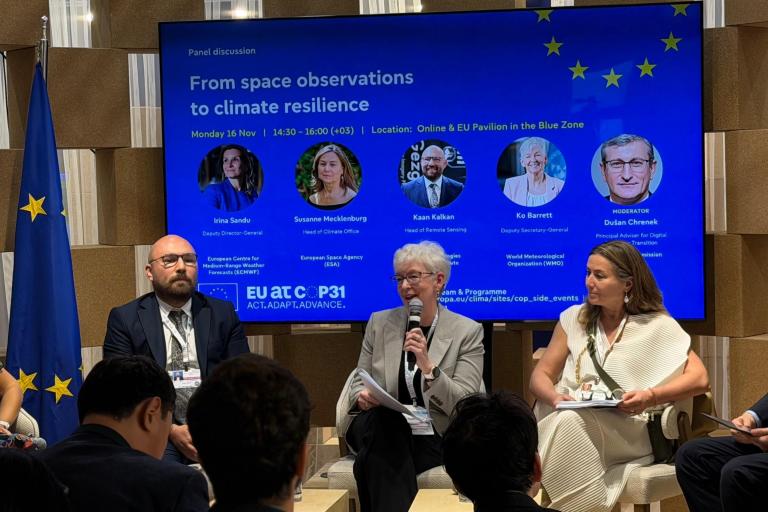
WMO, the European Space Agency, the European Centre for Medium-Range Weather Forecasts, the African Space Agency and the COP31 Presidency seek to close gaps in countries’ access to satellite data and their ability to use it. The focus is on sustaining critical observations and strengthening the national services that turn data into forecasts and warnings.
Satellite data helped humanitarian agencies position supplies before Cyclone Freddy struck Madagascar in 2023, WMO Deputy Secretary-General Ko Barrett says. She stresses that every dollar invested in early warnings can generate around nine dollars in net economic benefits, but warns that funding still falls short in many of the most vulnerable countries.
Youth shape the future of weather services
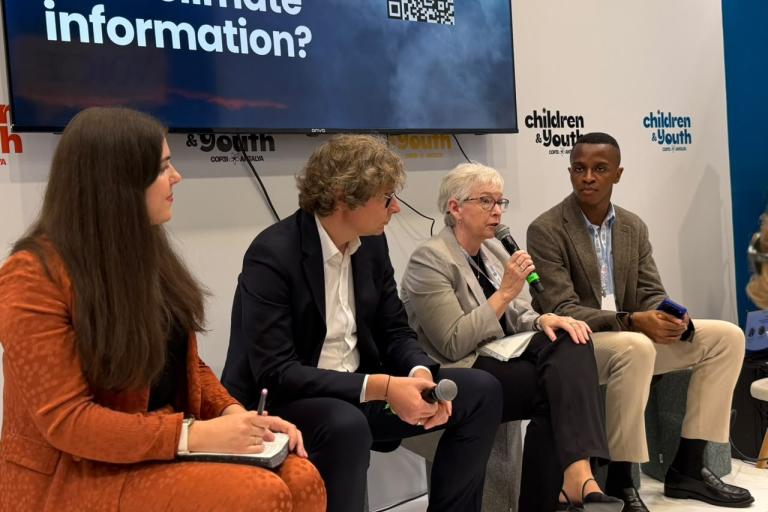
WMO and ITU Deputy Secretaries-General join young professionals to discuss how artificial intelligence is transforming weather, climate and water services, and how youth can help shape their future.
The discussion explores digital innovation, bridging digital divides and creating more opportunities for young people in science and technology.
Insurers and scientists seek to reduce climate risks
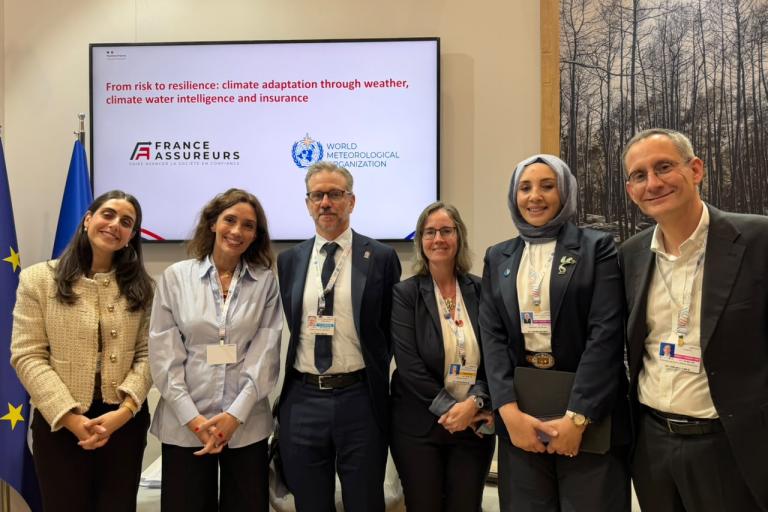
France Assureurs, the Global Federation of Insurance Associations and WMO explore how climate information can strengthen risk prevention and adaptation investment. Drought-risk work in France features alongside financing for resilient infrastructure and the observations, forecasts and early warnings insurers need.
WMO at COP31: Week two
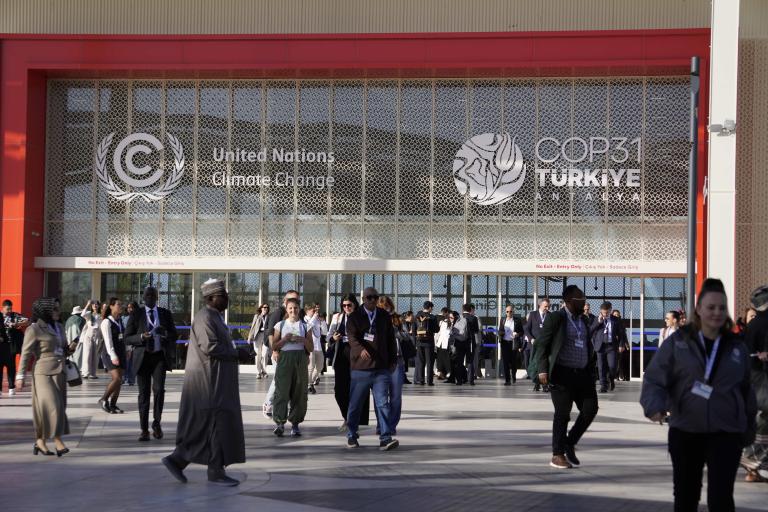
Early warnings, ocean observations and climate adaptation feature in WMO’s second-week programme. Follow along to explore how better ocean data can help protect coastal communities and infrastructure, and hear youth perspectives on how artificial intelligence can advance weather, climate and water services.
WMO at COP31 in pictures
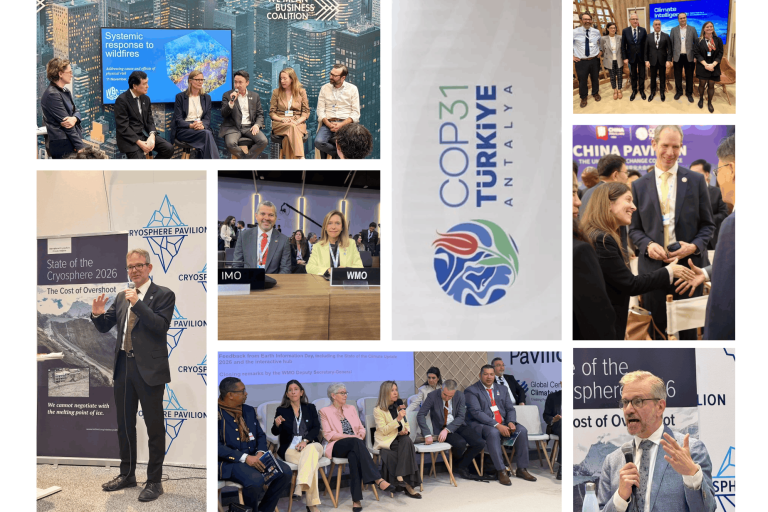
WMO brought climate science to the heart of discussions during the first week of COP31. From the cryosphere and extreme heat to wildfires and observation gaps, it highlighted growing climate risks and the urgent need to turn science into early warnings and action.
Check out all the event photos in the WMO Flickr album.
Investment to deliver Morocco’s early warning plan
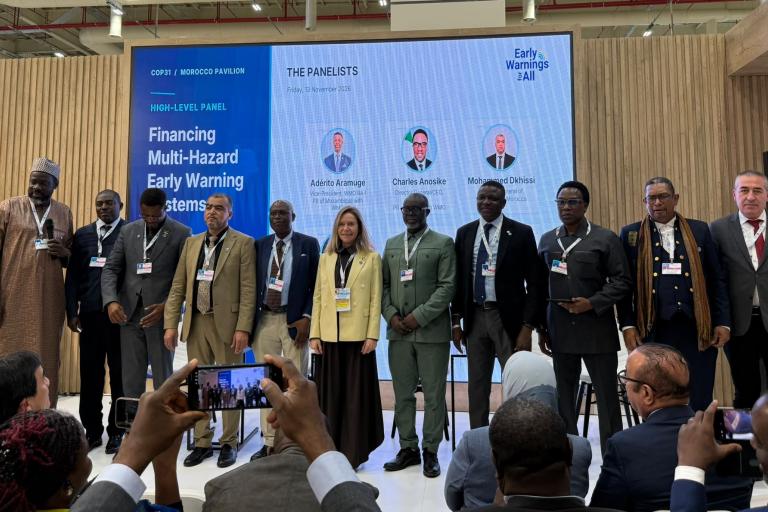
Morocco sets out priorities for implementing its 2027–2029 Early Warnings for All Action Plan. Development banks, climate funds and technical partners explore financing across the full warning system, from risk assessment and forecasting to public alerts and response. The aim is coordinated, lasting support through national institutions to extend protection to more hazards.
“I say to our funding and development partners: invest in Morocco’s Early Warnings For All plan as a whole, for the long run, through Morocco’s own institutions,” says WMO Secretary-General Celeste Saulo. “Not stand-alone projects, but the whole value chain.”
Canada announces $10 million for early warnings
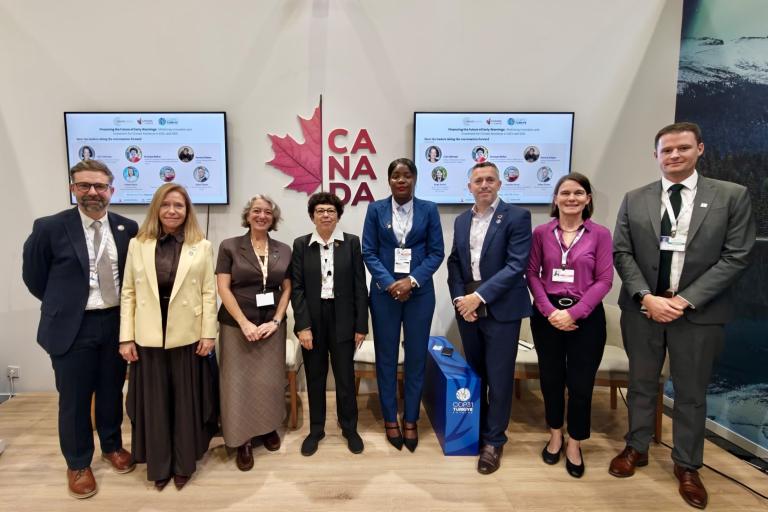
Canada announces a new $10 million investment in the Climate Risk and Early Warning Systems (CREWS) initiative. The funding supports early warning protection in least developed countries and small island developing states.
Ministers from France and Malawi take part alongside development, finance and private sector partners. The focus is on securing further public and private investment in proven solutions that help warnings reach communities and trigger action before disasters strike.
News and Publications



Publications



WMO COP31 documents for Climate Science Advisors
WMO’s 2026 submissions to UNFCCC prioritize sustained systematic observations, stronger scientific evidence and early warnings and climate information to inform progress towards the Global Goal on Adaptation, and national climate plans and investment decisions.