

WMO at the 31st Conference of Parties (COP31) to the UNFCCC
From 9 to 20 November, Türkiye, Antalya, will host the 31st Conference of Parties (COP31) to the United Nations Framework Convention on Climate Change (UNFCCC). WMO's engagement at COP31 is closely aligned with the incoming COP31 Presidency's action agenda .
At COP31, WMO will continue to support Parties by providing authoritative scientific observations and information on the state of the global climate system, including through the launch of its flagship State of Climate update 2026, a science-based annual assessment of climate indicators and impacts on Earth Information Day on 09 November 2026.
COP31 is also an important opportunity to demonstrate how strengthened meteorological, hydrological and climate science capacities can accelerate action in a changing climate. In a year in which record-breaking extremes have had a cascading effect on all levels of society and the economy, and against the backdrop of an unprecedented El Niño, WMO will reiterate the importance of early warning systems as a proven and cost-effective means to strengthen resilience. From events on investments in Earth observations to presenting the science on greenhouse gas concentrations, heat and health, early warnings, and El Niño response, WMO will put science at the heart of COP31, making the case for sustained investment in the systems that protect us all.
- Contact information: wmo-cop
 wmo [dot] int (wmo-cop[at]wmo[dot]int)
- View the list of COP31 events organized by WMO
- View the photo of the event on Flickr
- Jump to News and Publications
Live Updates
Stronger services for satellite-based warnings
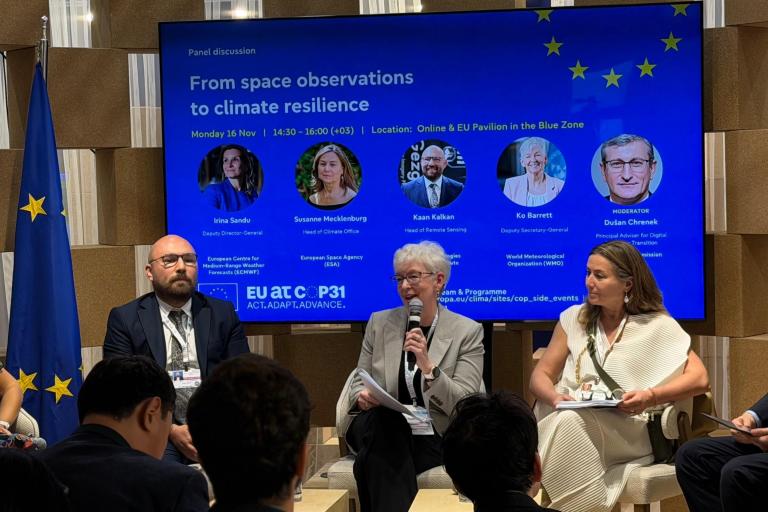
WMO, the European Space Agency, the European Centre for Medium-Range Weather Forecasts, the African Space Agency and the COP31 Presidency seek to close gaps in countries’ access to satellite data and their ability to use it. The focus is on sustaining critical observations and strengthening the national services that turn data into forecasts and warnings.
Satellite data helped humanitarian agencies position supplies before Cyclone Freddy struck Madagascar in 2023, WMO Deputy Secretary-General Ko Barrett says. She stresses that every dollar invested in early warnings can generate around nine dollars in net economic benefits, but warns that funding still falls short in many of the most vulnerable countries.
Youth shape the future of weather services
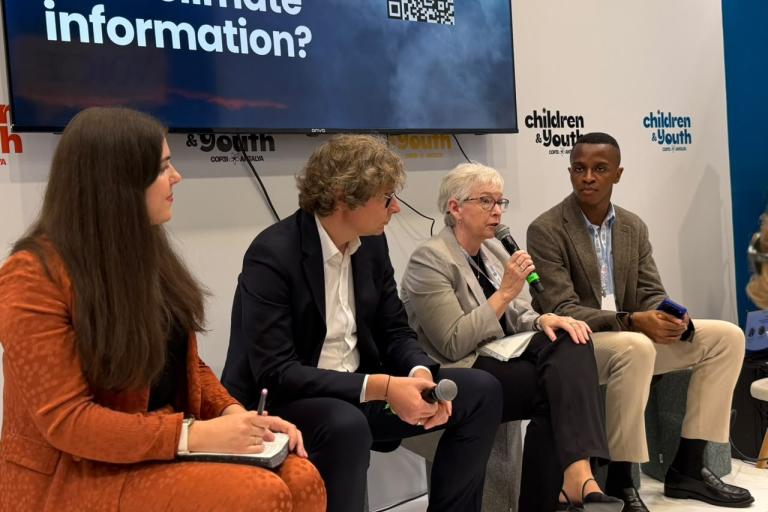
WMO and ITU Deputy Secretaries-General join young professionals to discuss how artificial intelligence is transforming weather, climate and water services, and how youth can help shape their future.
The discussion explores digital innovation, bridging digital divides and creating more opportunities for young people in science and technology.
Insurers and scientists seek to reduce climate risks
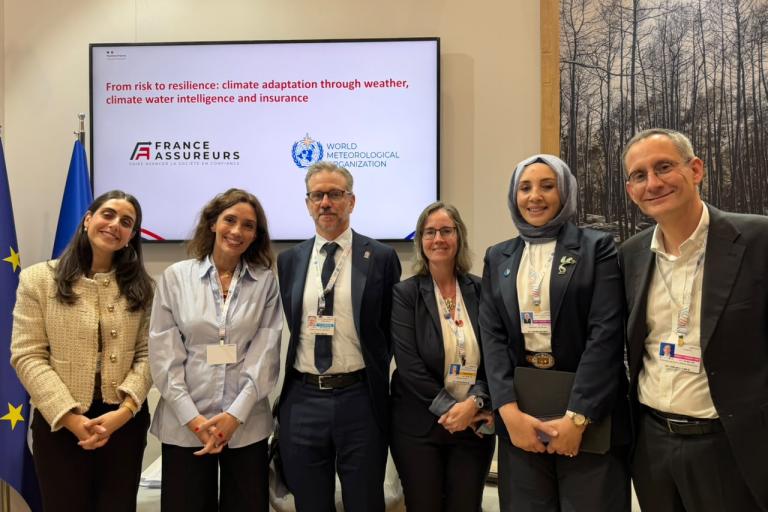
France Assureurs, the Global Federation of Insurance Associations and WMO explore how climate information can strengthen risk prevention and adaptation investment. Drought-risk work in France features alongside financing for resilient infrastructure and the observations, forecasts and early warnings insurers need.
WMO at COP31: Week two
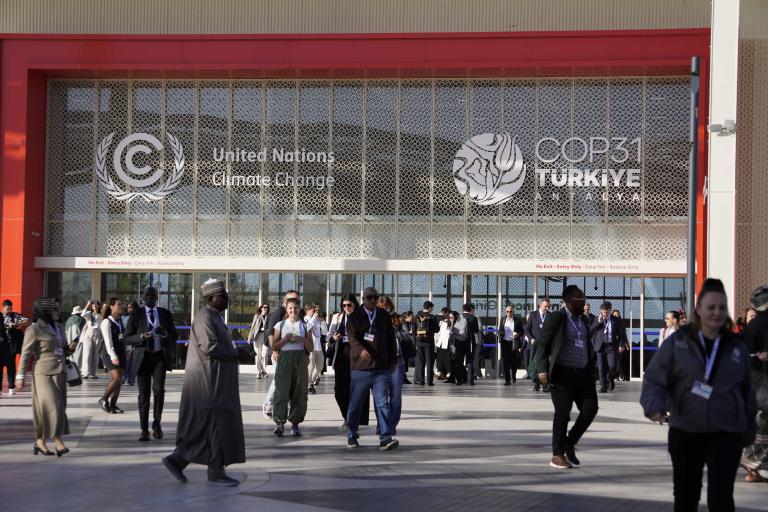
Early warnings, ocean observations and climate adaptation feature in WMO’s second-week programme. Follow along to explore how better ocean data can help protect coastal communities and infrastructure, and hear youth perspectives on how artificial intelligence can advance weather, climate and water services.
WMO at COP31 in pictures
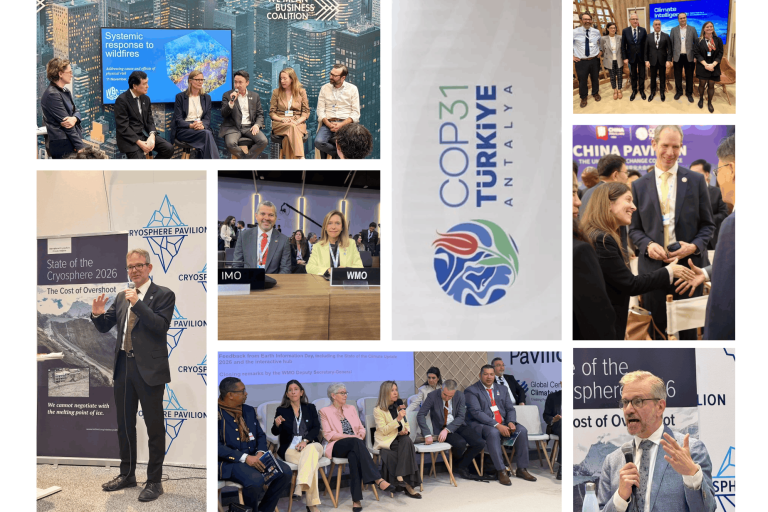
WMO brought climate science to the heart of discussions during the first week of COP31. From the cryosphere and extreme heat to wildfires and observation gaps, it highlighted growing climate risks and the urgent need to turn science into early warnings and action.
Check out all the event photos in the WMO Flickr album.
Investment to deliver Morocco’s early warning plan
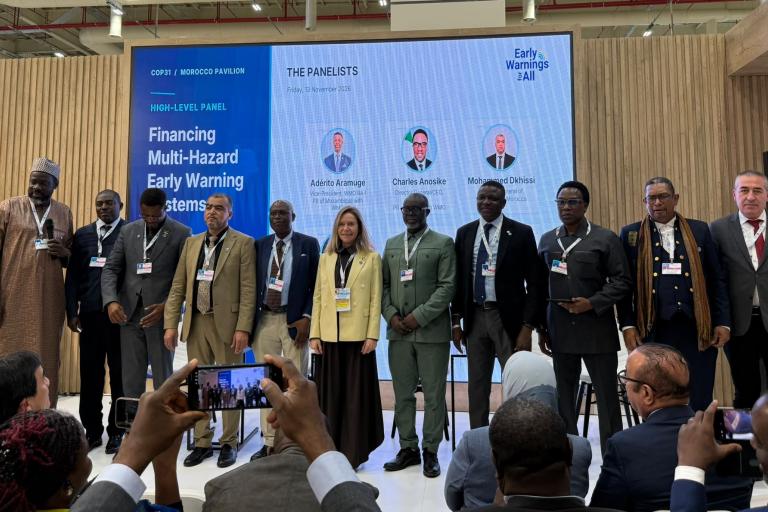
Morocco sets out priorities for implementing its 2027–2029 Early Warnings for All Action Plan. Development banks, climate funds and technical partners explore financing across the full warning system, from risk assessment and forecasting to public alerts and response. The aim is coordinated, lasting support through national institutions to extend protection to more hazards.
“I say to our funding and development partners: invest in Morocco’s Early Warnings For All plan as a whole, for the long run, through Morocco’s own institutions,” says WMO Secretary-General Celeste Saulo. “Not stand-alone projects, but the whole value chain.”
Canada announces $10 million for early warnings
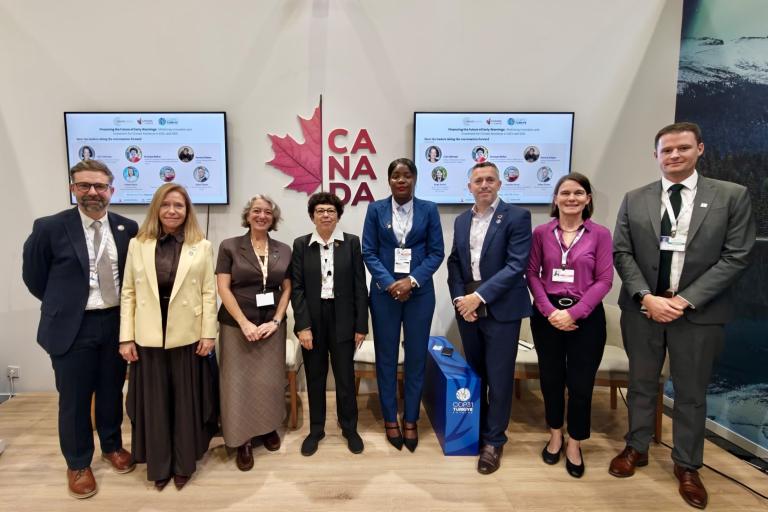
Canada announces a new $10 million investment in the Climate Risk and Early Warning Systems (CREWS) initiative. The funding supports early warning protection in least developed countries and small island developing states.
Ministers from France and Malawi take part alongside development, finance and private sector partners. The focus is on securing further public and private investment in proven solutions that help warnings reach communities and trigger action before disasters strike.
A climate check-up for young negotiators

WMO’s first State of the Climate youth presentation explains what ocean heat and rising sea levels tell us about a changing climate. Young negotiators can use this evidence to prepare for climate talks and challenge misinformation. Participants can also test an interactive report and help shape it.
COP31: WMO Members share insights, concerns and priorities
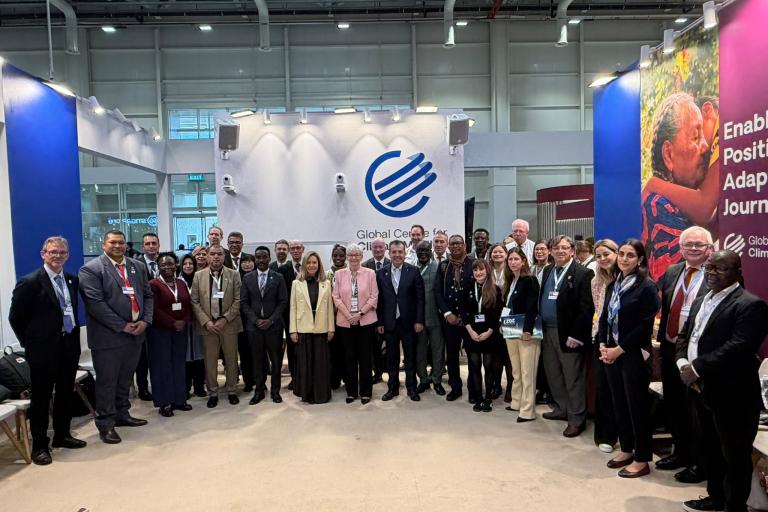
WMO Secretary-General Celeste Saulo and Deputy Secretary-General Ko Barret meet with heads of National Meteorological and Hydrological Services to share insights and concerns around early warnings investments and impact-based forecasts, financing and strengthening observations and forecasts.
"WMO is like an extended family, with a relationship based on trust,” says Prof. Celeste Saulo. "We cooperate and coordinate with each other because weather, climate and water know no national borders."
Weather services on wheels
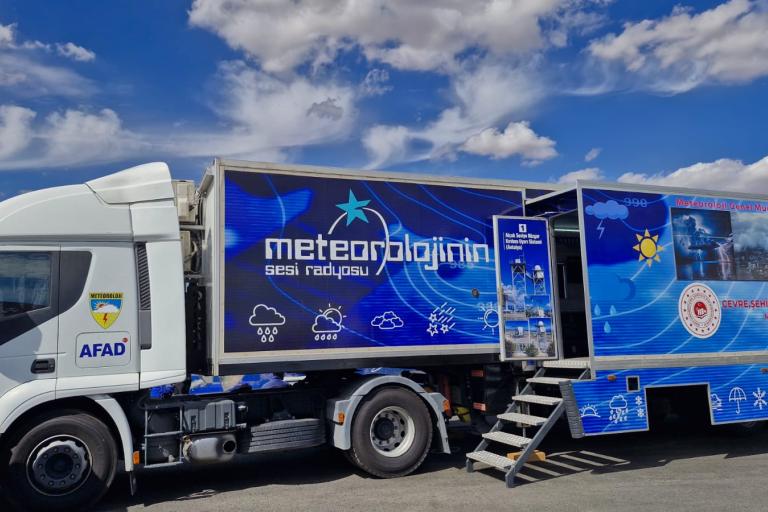
WMO Secretary-General Celeste Saulo visits the Turkish State Meteorological Service’s “Meteorology Truck”, a mobile centre that helps keep weather services running during disasters. Its instruments measure conditions at the surface and high in the atmosphere to support forecasts and emergency response.
The mobile centre has been deployed during several emergencies, including a six-month operation following the Kahramanmaraş earthquakes. It also serves as an educational tool, introducing students and the public to weather, climate change and early warning services.
Heat action puts health first
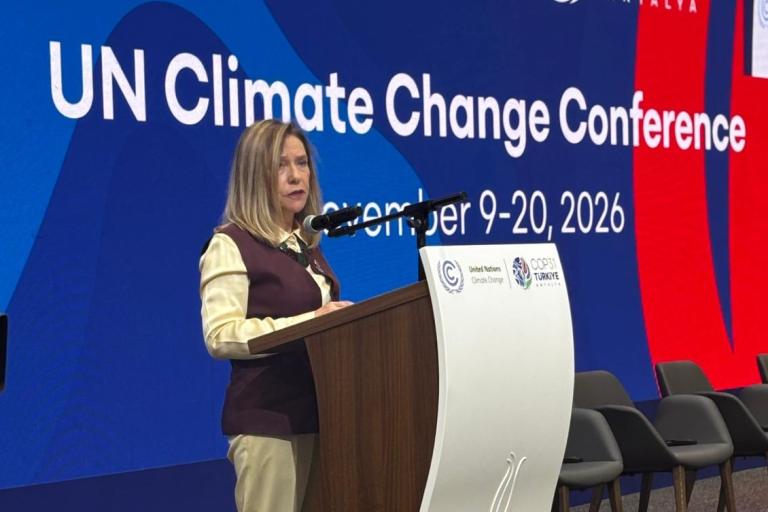
WMO brings together representatives of health ministries, humanitarian organizations and local government to strengthen action against extreme heat. Building on the Global Heat Forum, priorities include expanding heat early warning systems, strengthening heat action plans and using climate and health information to protect vulnerable populations and workers.
“We can’t stop the heat. But we can protect people from it,” says WMO Secretary-General Celeste Saulo. “We already have the science, the forecasts and the solutions. Now we must scale them. Let us use climate information intelligently, strengthen partnerships across sectors, and ensure that every warning becomes action and every action saves lives.”
Africa pushes for warnings that reach everyone
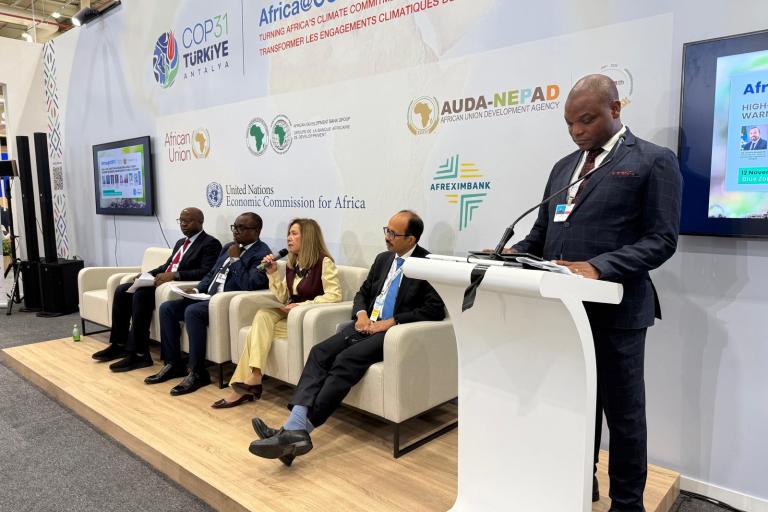
Governments and partners at COP31 call for early warning systems to become a core public investment across Africa. Forty-one countries now report on these systems, but ensuring everyone can receive and act on warnings remains the biggest challenge. The Addis Ababa Call to Action urges faster implementation, long-term investment and sustained protection beyond 2027.
“Let us move decisively from commitments to implementation, from forecasts to decisions, and from early warning to early action,” says WMO Secretary-General Celeste Saulo in her opening remarks. “In doing so, we can build a safer, more resilient Africa in which every person, everywhere, is protected by effective early warning systems.”
News and Publications

Publications



WMO COP31 documents for Climate Science Advisors
WMO’s 2026 submissions to UNFCCC prioritize sustained systematic observations, stronger scientific evidence and early warnings and climate information to inform progress towards the Global Goal on Adaptation, and national climate plans and investment decisions.