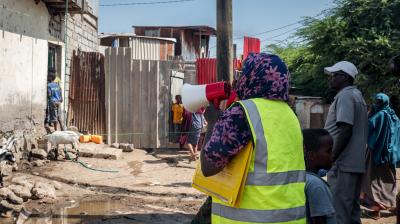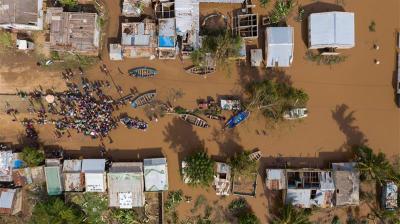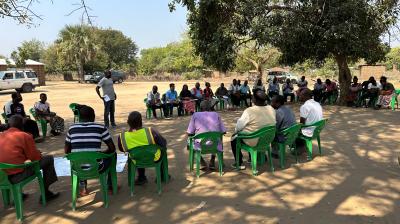

Resilience starts at home
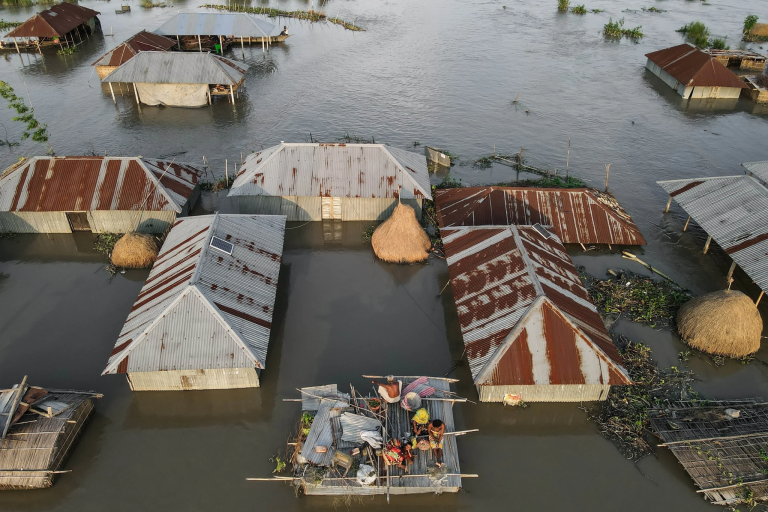
Yet early warnings are only effective when they reach all members of a household in understandable formats, when people understand how vulnerable their homes are to specific hazards, and when they know what protective actions to take.
Bridging the gap between receiving a warning and taking appropriate action at the household level - including through accessible risk communication and evacuation planning - remains a critical challenge that is addressed by the 2026 International Day for Disaster Risk Reduction.
“Every year, millions of homes are damaged or destroyed, displacing families and deepening poverty, with some of the heaviest tolls falling on older persons, persons with disabilities, low-income households, and others vulnerable groups,” said UN Secretary-General António Guterres.
“That’s why the theme of this year’s International Day for Disaster Risk Reduction, “Resilience Starts at Home”, is so critical. Safety begins where we live, and preparedness at the household level — understanding the risks, having a plan, and acting swiftly — can mean the difference between life and loss,” he said in a message.
The events marking the day are spearheaded by the UN Office for Disaster Risk Reduction – WMO’s lead partner in the Early Warnings for All Initiative, which has driven a 143 per cent increase in countries reporting multi-hazard early warnings systems since 2015.
“We all know that when countries have comprehensive early warning systems, they reduce the number of disaster related deaths, six times. And we all know that early warnings are adaptation in action. When climate intelligence is accurate, decisions are accurate, saving people and economies,” WMO Celeste Saulo told a recent event at the UN General Assembly.
The 2026 International Day for Disaster Risk Reduction has calls to action for three key audiences:
- Governments must protect people in their homes through developing and enforcing risk-informed land-use planning and resilient construction practices, increasing public investment in housing resilience, particularly for the most vulnerable populations, and ensuring that accessible, localised risk information reaches every community.
- The private sector must prioritize long-term resilience over short-term expediency. This means complying with zoning laws and building codes, conducting and disclosing disaster and climate risk assessments, investing in resilient design and construction practices, and supporting the development of accessible financial instruments that enable risk mitigation and transfer for households.
- Households should seek to understand the hazards and vulnerabilities they face, act promptly on early warnings, make informed decisions when buying, renting or improving their homes, and participate, where possible, in local resilience and disaster risk reduction efforts.