Rate and impact of climate change surges dramatically in 2011-2020
Geneva/Dubai (WMO) - The rate of climate change surged alarmingly between 2011-2020, which was the warmest decade on record. Continued rising concentrations of greenhouse gases fuelled record land and ocean temperatures and turbo-charged a dramatic acceleration in ice melt and sea level rise, according to a new report from the World Meteorological Organization (WMO).
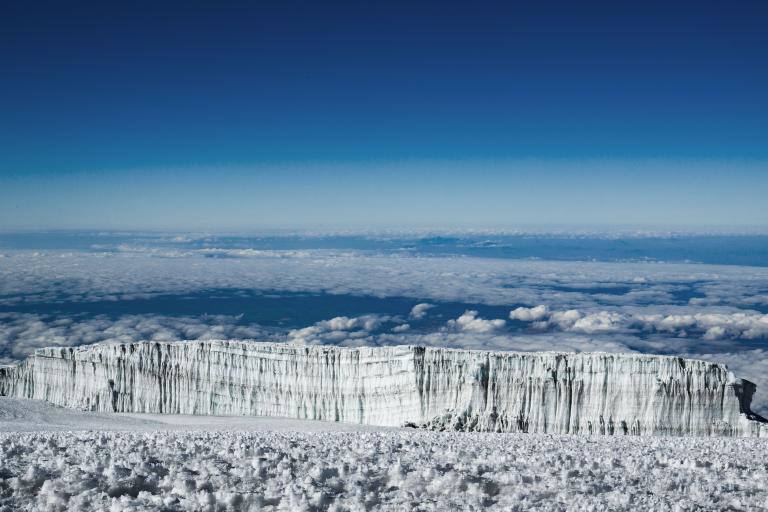
The Global Climate 2011-2020: A Decade of Acceleration sounded the alarm, in particular, at the profound transformation taking place in Polar regions and high mountains. Glaciers thinned by around 1 meter per year - an unprecedented loss – with long-term repercussions for water supplies for many millions of people. The Antarctic continental ice sheet lost nearly 75% more ice between 2011-2020 than it did in 2001-2010 – an ominous development for future sea level rise which will jeopardize the existence of low-lying coastal regions and states.
In a glimmer of hope, the report said that the Antarctic ozone hole was smaller in the 2011-2020 period than during the two previous decades thanks to successful and concerted international action to phase out ozone depleting chemicals, an indication of the success of the Montreal Protocol.