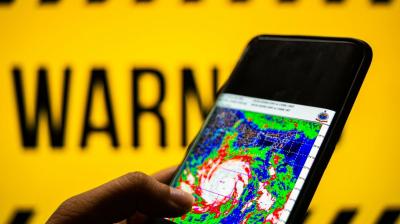
Global Status of Multi-Hazard Early Warning Systems 2026
- 70 per cent of countries report having multi-hazard early warning systems
- Major gaps persist in the countries most at risk
- Powerful El Niño raises the stakes
Launched at the COP31 Climate Summit, the Global Status of Multi-Hazard Early Warning Systems (MHEWS) 2026 report assesses progress towards universal early warning protection under the UN’s flagship Early Warnings for All (EW4All) Initiative.
The latest findings show continued progress, with 136 countries reporting MHEWS as of August 2026, a 143% increase since 2015. Yet fewer than half of reporting countries demonstrate capabilities across all four pillars. The report also confirms that more comprehensive systems arfe associated with lower disaster mortality and fewer people affected, highlights the importance translating warnings into action.
Looking beyond the 2027 milestone, the report calls for sustained investment, stronger governance and greater emphasis on effectiveness to ensure lasting protection for all.
About the Global Status of Multi-Hazard Early Warning Systems series
The impact of disasters continues to increase at a rapid rate, fuelled by the climate emergency. Multi-hazard early warning systems (MHEWS) are a proven measure to reduce disaster risk and adapt to a changing climate.