
A shared goal: protecting people from extreme heat
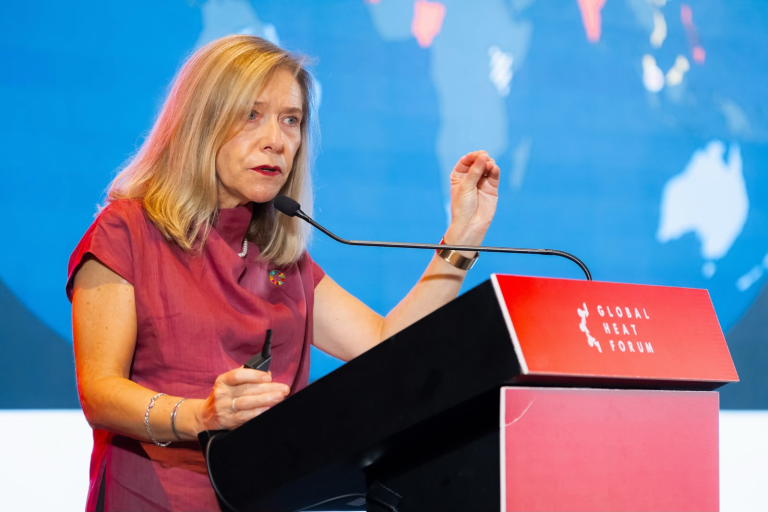
Excellencies, distinguished guests, colleagues and friends,
Good morning, and welcome to Bangkok.
We meet this week to talk about heat, in a city battered by heavy rain and floods. On behalf of WMO, I express my deepest condolences to everyone affected, and our solidarity with all those working on the recovery. We understand the urgent demands on the Bangkok Metropolitan Administration that keep them from being with us today.
It is an honor to open the Global Heat Forum. My thanks go to our organizing partners: the Global Heat Health Information Network, a flagship initiative of WMO working with the World Health Organization and many others. We are pleased to be part of Bangkok Climate Action Week, and partnering with the Asian Development Bank, ClimateWorks Foundation, the Climate and Health Funders Coalition, the Children’s Investment Fund Foundation, the Rockefeller Foundation and Wellcome. And thank you to our Thai hosts.
The timing of this Forum matters. An El Niño is intensifying and could be the strongest on record. El Niño turns up the heat: it did in 2024, the hottest year on record, and we now expect that record to be broken. We have never seen an El Niño develop on a baseline this high. A warmer year is coming, and now is the window to act.
I come here from meetings with the European Union and with the meteorological services of that region. The social and economic impact of this summer's extreme heat has been very large. An estimated 45,000 people died across the European Union. Nuclear power, hydropower and energy demand were all hit at the same time. The EU is now preparing for losses of about 40 billion euros a year from extreme events.
France offers a lesson. It reports deaths about half those of the closest comparable heatwave, in 2003, and attributes this to the heat early warnings now in place.
Much of the harm caused by heat can be prevented, but prevention begins before the emergency. Our bodies, our infrastructure, our farms and our homes are not designed for forty degrees Celsius, let alone fifty. A forecast must give health services time to prepare, employers time to adjust working hours, and communities time to reach those most at risk.
We have just heard the UN Secretary-General. WMO supports the Call to Action on Extreme Heat, strengthening climate services for health and scaling up heat warnings through Early Warnings for All.
Never before have so many sectors come together around one goal: meteorologists, health professionals, city planners, business leaders and investors. So I ask three things of you this week.
First, agree in advance. Let meteorological services and health authorities settle what triggers action, who is responsible, and how it will be funded, before hospitals fill.
Second, build the governance. Bring meteorological services, health authorities, urban planners, energy providers and architects to the same table, using the resources we launch today.
Third, invest, and help decide where. Let us shape together the priorities for investment, so that resources reach the solutions that protect people, workers and economies. Escaping heat cannot be a privilege for the few.
We can forecast heat to the day. What we cannot forecast is whether anyone will be ready. That is decided in rooms like this one, this week.
So leave with something you can name: a trigger agreed, a table convened, a resource committed. A name, a date, an amount.
Thank you.
- Read the full Press Release "Global Heat Forum seeks to galvanize action and investment".
- Read the WMO Secretary-General Keynote at the Global Health Forum.
Statement by