State of the climate in 2026 gives new meaning to phrase “off the charts”
Antalya, Türkiye (WMO) - The year 2026 continues the protracted streak of exceptional global temperatures, melting ice and rising sea levels, with a very strong El Niño event set to unleash even more heat and extreme weather well into 2027, according to a new report from the World Meteorological Organization (WMO). It highlights the knock-on risks to the environment, economy, and everyday life.
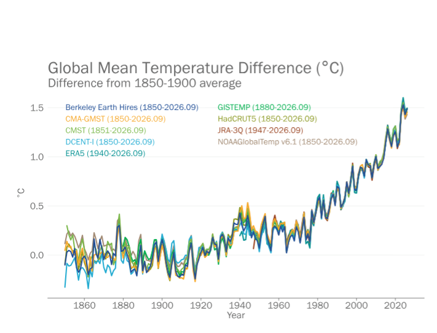
The WMO State of the Climate Update 2026 shows that the past 12 years have individually been the warmest on record, with the past four years being the top four. The global average surface temperature for January–September 2026 was about 1.47 °Celsius above the pre-industrial average. This figure is likely to rise through the end of the year because of the warming effect of El Niño, which has been intensifying since August and is expected to be the strongest on record by December.
Earth’s energy imbalance is rising and the earth system is accumulating heat at an accelerating rate. The imbalance reached its highest level since monitoring began, as greenhouse gases trap unprecedented amounts of heat and upset the equilibrium between incoming energy from the sun and outgoing energy. The ocean absorbs 90% of this excess heat and 2026 is on track to be the tenth successive year of record ocean warmth.
Sea level is the highest on record, and sea-surface temperatures hit monthly records during 2026. The long-term retreat of glaciers continues - the annual mass loss of ice in 2025 would have filled five Olympic pools every second of the year. Freshwater storage has been dwindling since 2014.
“We have entered a new age of climate extremes. A supersized El Niño is colliding with a planet already superheated by manmade climate change. Climate records keep falling. The human costs keep rising. And those least responsible are suffering first and worst. Leaders must get serious by cutting emissions faster, accelerating a just transition from fossil fuels and delivering the finance and protection vulnerable countries need.” said UN Secretary-General António Guterres.
“El Niño and indeed the state of the global climate in 2026 gives new meaning to the phrase off the charts. El Niño doesn't add new heat to the planet. It releases heat from the ocean, which is the warmest ever measured. There is simply more heat available to release,” said WMO Secretary-General Celeste Saulo.
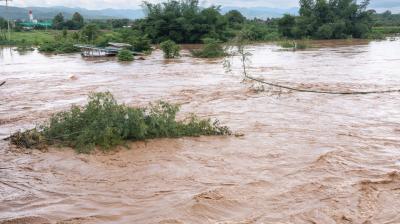
“We are supercharging our weather and El Niño will be a risk multiplier. Heatwaves, tropical cyclones, and rainstorms are intensifying faster than our historical baselines prepared us for. Hundreds of millions of people this year have been exposed to unbearable extreme heat, whilst the catastrophic ice and rock collapse and flash floods in Nepal highlighted the compound risks facing communities in fragile, warming high-mountain terrain.”
Forecasts underpinned by sustained observations from every part of the world are more important than ever to monitor our rapidly changing climate and help navigate the increasing risks to societies and economies. The good news is that the number of countries reporting the existence of multi-hazard early warning systems (MHEWSs) has increased from 56 in 2015 to 136 in 2025, according to the report.
The WMO State of the Climate 2026 Update was released on the first day of COP31 in Antalya, Türkiye, as an authoritative, science-based report. It includes data – where available – up to September 2026 and therefore does not reflect the most recent impacts of El Niño.
The final State of the Global Climate 2026 report will be issued in March 2027, incorporating scientific contributions from dozens of National Meteorological and Hydrological Services, regional climate centres, United Nations partners and experts from the WMO community.