State of Global Water Resources 2025
- 2025 was one of driest years for river discharge in 35 years
- Past 7 years have seen abnormal river flows
- Water storage on Earth’s land surface has decreased in past 10 years
- Widespread glacier loss across all regions for 4th consecutive year
- Asia and Africa are the regions most affected by water-related disasters
- Water data availability has improved, but gaps remain in hard hit areas
Rivers across the globe in 2025 had one of the driest years in more than three decades. The WMO State of Global Water Resources Report shows a continuation of the long-term decline in Earth’s freshwater storage and in glacier retreat.
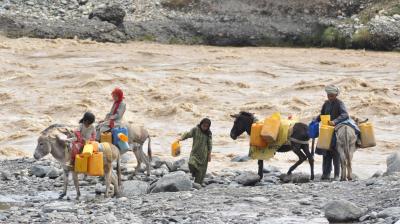
The water cycle has also become more erratic and unpredictable, swinging between too little or too much. The past seven years have seen the fewest rivers with “normal” flows since 1991.
Asia and Africa together accounted for at least half of all recorded water-related extreme events and more than 80% of reported associated deaths over the past five years, it says.
The report provides a comprehensive, science-based assessment of the entire water cycle loop, including river discharge, groundwater, evapotranspiration, land water storage, and snow and ice, as well as high-impact events.
WMO State of Global Water Resources
Other resources
User Survey

Social Media Assets
About the State of Global Water Resources series
The State of Global Water Resources Report, published annually by WMO, provides a comprehensive quantitative overview of global water resources, with a focus on hydrological variability and trends. It supports countries, decision makers and stakeholders in understanding the current state of water resources, identifying hotspots and supporting effective water management strategies. The report is based on data contributed by WMO Members, as well as information from global hydrological modelling systems and satellite observations provided by various partners.