The ocean connects us all
The COP31 Presidency unveiled the Antalya Ocean and Seas Compact, which aims to strengthen partnerships and improve access to finance. The OceanEye International Alliance received new pledges and commitments to strengthen observations which underpin all weather forecasts and climate predictions.
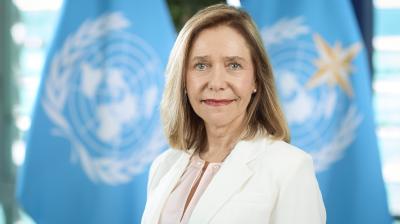
COP31 President Murat Kurum said: “The ocean regulates our climate, supports livelihoods and sustains communities around the world. But warming, acidification, sea-level rise and pollution are putting marine ecosystems and coastal communities under growing pressure. We know many of the solutions, from restoring coastal ecosystems and strengthening early warning systems to improving ocean science and data-sharing and building greater resilience in the communities most exposed.” Speaker after speaker stressed the need for sustained ocean observations and science to help monitor and protect the ocean, marine ecosystems and coastal communities at a time of rapid change. “Our oceans are undergoing profound changes. Ocean heat content reached a record high in 2025, with preliminary data indicating another record in 2026. Global mean sea level also reached record levels in 2026, increasing the risks of coastal flooding, erosion and saltwater intrusion,” WMO Deputy Secretary-General Ko Barrett told an event organized by the COP31 Presidency.
“These changes have direct consequences for coastal communities, infrastructure and livelihoods. Sustained ocean observations, improved scientific understanding and reliable climate information are essential to assess coastal risks, inform adaptation decisions and strengthen long-term resilience,” she said.
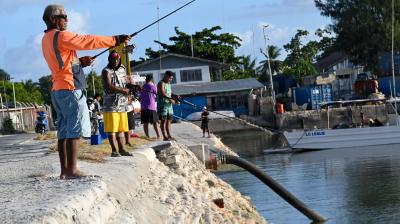
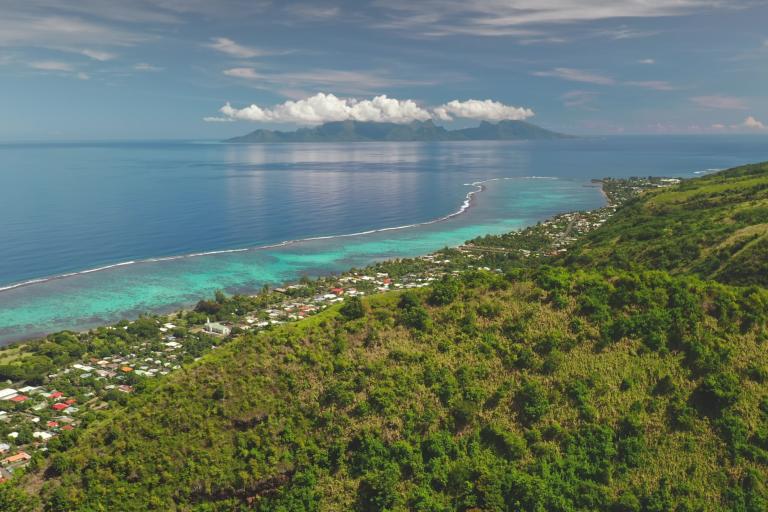
The event on Coastal Infrastructure and Communities in a Changing Ocean explored how science can inform regional and local risk assessments and adaptation decisions, including how to make decisions using the best available scientific knowledge, even where observations are incomplete and uncertainties remain. Speakers from the Pacific, Caribbean and Bangladesh highlighted practical problems facing the 11% of the global population who live on low-lying coasts and so are exposed to coastal hazards like storms and the impacts of sea-level rise.
Their experiences showed that while the ocean is changing globally, its impacts and the challenges of responding differ considerably between regions and communities. Coastal risks can also be compounded by the interaction of sea-level rise, storm surges, waves, heavy rainfall and river flooding, alongside erosion and saltwater intrusion. There is no one-size-fits-all solution to coastal resilience.
The event also highlighted the importance of sustained and integrated ocean observations, including initiatives such as the Global Ocean Observing System discussed how partnerships and financing mechanisms such as the Systematic Observations Financing Facility can help address critical observing gaps and strengthen coastal information and services, particularly in vulnerable regions.
A key message was that effective coastal adaptation must start with the risks and decisions that matter to countries and communities. Scientific and observing communities, space agencies, international and regional organizations, national institutions and coastal communities share a responsibility to co-design and co-develop solutions. Sustaining national capacities and partnerships beyond individual projects is essential.
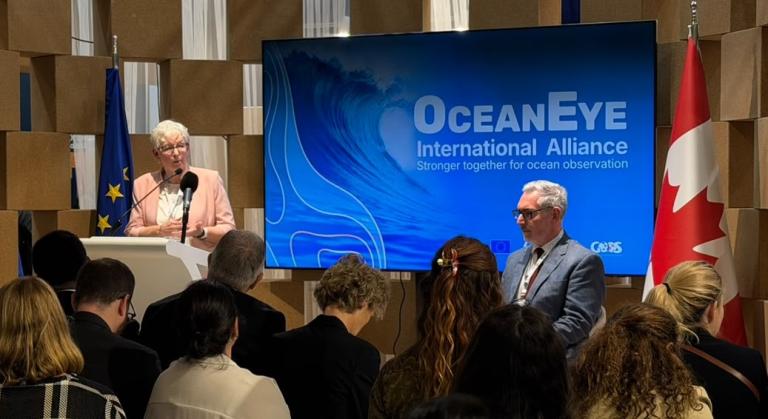
“We often say that if you value your weather forecast, thank an oceanographer and that’s how important ocean information is to essential services for weather and for climate,” Ko Barrett told an event organized by the European Union on the OceanEye International Alliance.
“The Ocean Eye International Alliance is helping us to broaden participation and therefore secure sustained investment in this global public good,” she said.
WMO Bulletin: A Warming Ocean
“The ocean will continue to change. How well countries anticipate those changes depends on decisions made now: which networks we sustain, where we extend observations and whether the resulting information reaches those who need it,” wrote WMO Secretary-General Celeste Saulo in the WMO Bulletin released ahead of COP31.
The WMO Bulletin, dedicated to the warming ocean, explores the science behind the changes, how observations are collected and how they help communities respond. It highlights the work of WMO, its Members and partners across the world to strengthen understanding of the ocean.
“The advance warning of the 2026 El Niño shows the value of sustained ocean observations. As the event strengthens, seasonal forecasts are helping countries anticipate risks of drought, flooding and extreme heat in different regions. Together with national forecasts and early warning services, these outlooks can guide timely action to protect lives and livelihoods, particularly in vulnerable communities,” writes Celeste Saulo.
The WMO Bulletin explores topics, including ocean warming and carbon uptake, the impacts of marine heatwaves, the role of ocean observations in improving hurricane forecasts in the Caribbean, and how Pacific communities are responding to rising sea levels. It also examines advances in climate prediction and the development of marine services that meet the needs of coastal communities and maritime industries.
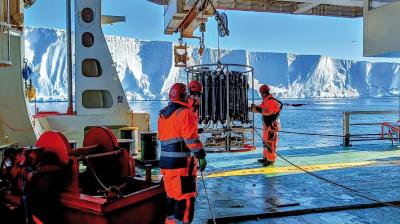
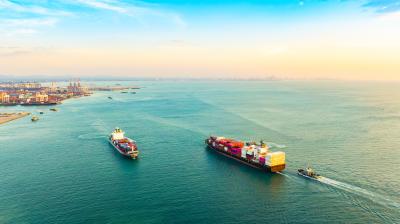
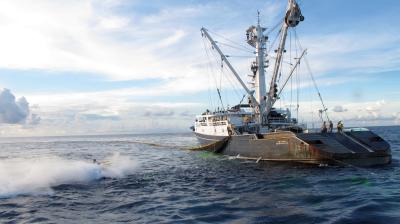
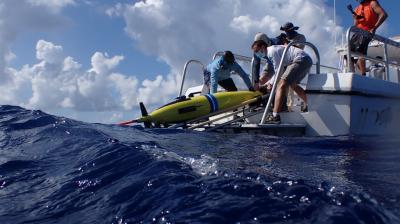
A clear message emerges: we need to strengthen and expand global ocean observations, particularly in the deep ocean, coastal waters and poorly monitored regions such as the Southern Ocean. Partnerships with fishing vessels and commercial shipping offer practical ways to extend coverage, alongside the continued development of autonomous observing technologies.
Above all, the contributions underscore the need for sustained investment in observing infrastructure, national expertise and international cooperation. Equally important is ensuring that observations reach forecasting centres promptly and are used effectively in early warning services, giving communities more time to prepare and act.