WMO Projects Deliver Results on the Ground
The World Meteorological Organization (WMO) is currently implementing 68 projects backed by contributions of more than CHF 133 million. These projects help countries close capacity gaps in weather, water, and climate services by providing access to shared infrastructure, hands-on technical support and capacity building activities.
Over the past few years, WMO’s project portfolio has grown rapidly, not only in size but also in the range of challenges it addresses, reflecting the increasing demand from countries for support in understanding, preparing for and responding to evolving weather and climate challenges.
But what is WMO’s added value in implementing such projects? WMO’s distinct contribution and strength lie in its unique technical expertise and ability to connect science, innovation and practical solutions for those in need on the ground. WMO pairs technical coordination with effective project management to ensure every project delivers real and lasting impact that countries can rely on.
“WMO prides itself as a highly scientific and competent agency, and we need to create a value proposition for what WMO does through its projects”, says Thomas Asare, Assistant Secretary-General.
Better Project Management Practices Across WMO
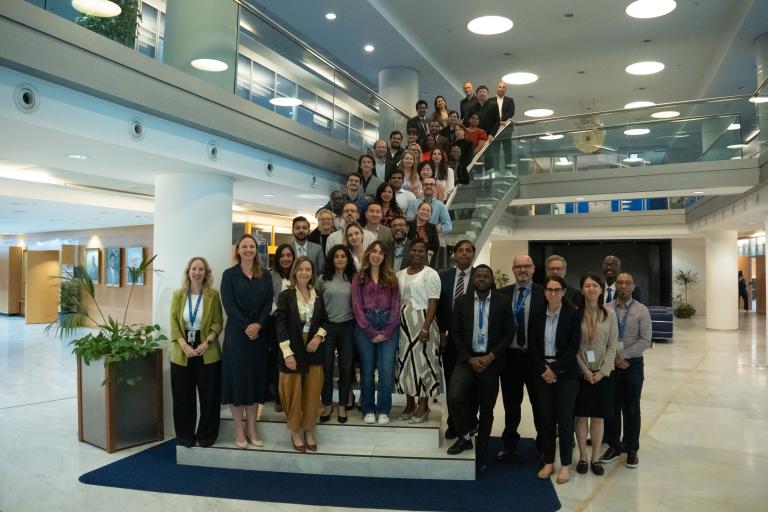
As WMO’s project portfolio grows, teams across the organization need more consistent ways to manage projects and share what they learn. In June 2026, WMO brought together more than 50 participants from across the organization including project managers and technical coordinators, for a Global Project Management Workshop. The event focused on strengthening project management practices and promoting greater consistency across WMO by introducing new procedures and enabling project teams to exchange practical insights and lessons learned.
"Coming from the Regional Office for Africa, the workshop was an invaluable opportunity to better understand the tools, systems, and strategic direction shaping project management across WMO”, says Mohammed Ali, Associate Project Officer at WMO.
Outcomes that matter
WMO projects show how funding, technical expertise and partnerships can translate into practical improvements for countries and communities:
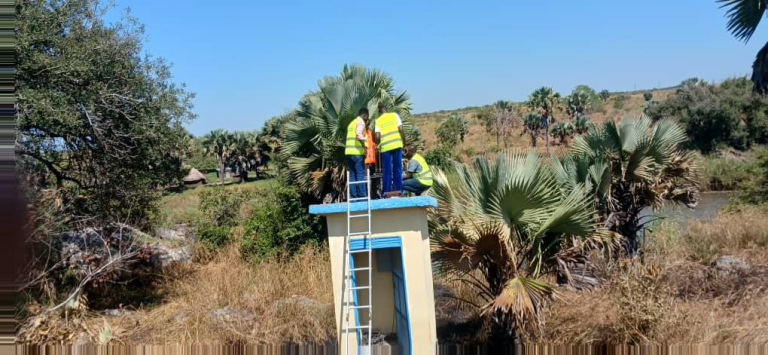
Launched in 2023, the “Water at the Heart of Climate Action” project is helping Ethiopia, Rwanda, South Sudan, Sudan and Uganda strengthen flood and drought monitoring, forecasting and early warning. Its work includes improving hydrological observations, mapping risk areas and developing impact-based forecasts and warning bulletins that can support anticipatory action and response.
The Accelerating a transformation in Climate Science and Services for Health initiative, launched in 2025 by WMO in partnership with the World Health Organization, the Rockefeller Foundation and Wellcome, brings climate and health professionals together to help health systems prepare for risks such as extreme heat and climate-sensitive diseases. It is developing training, technical support and heat-health early warning services, with pilot work planned in at least 10 countries.
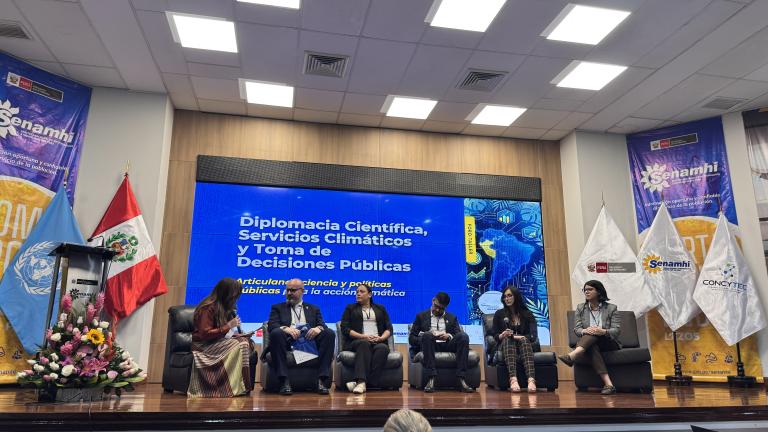
ENANDES+, supported by the Adaptation Fund and the Swiss Agency for Development and Cooperation (SDC) since 2022, is strengthening climate services and early warnings across Argentina, Bolivia, Chile, Colombia, Ecuador and Peru. One example is the development of a binational flash-flood warning system for the Pilcomayo River Basin shared by Argentina and Bolivia, alongside locally designed climate services for vulnerable communities and sectors.
The HYDROMET project, launched in 2022 and financed by the French Development Agency, the European Union and the Green Climate Fund, supports Indian Ocean Commission Member States facing risks from tropical cyclones, floods and storm surges. Implemented by the Indian Ocean Commission, with technical assistance from WMO, it is strengthening regional forecasting, training and climate-service systems, improving institutional frameworks and supporting more effective early warnings across the region.
Together, these projects show how stronger observations, forecasts, early warnings and technical capacity can translate into better preparedness and more resilient services.
WMO is continuing to strengthen its project management practices and combining them with its scientific strength to deliver concrete outcomes. As this work continues, WMO will also seek to build new partnerships and unlock additional climate finance to support more projects and countries.