Act now to limit health risks of El Niño
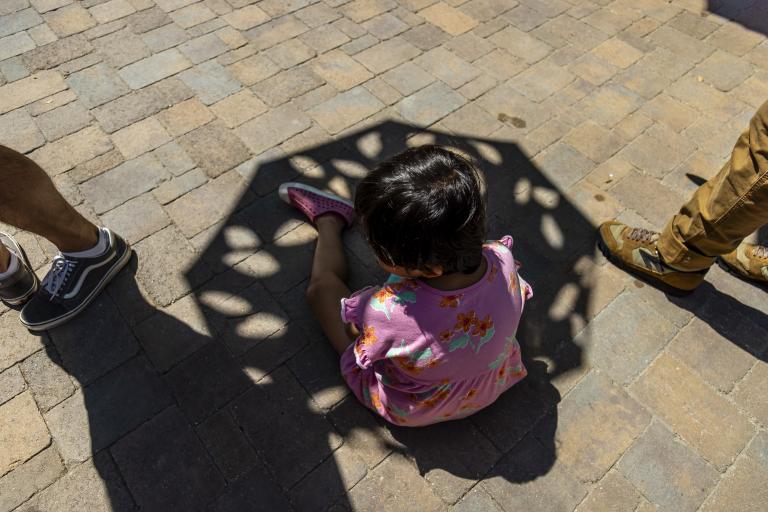
El Niño is forecast to intensify into a very strong event by the end of the year, with cascading impacts on economies and societies, according to the latest update from the World Meteorological Organization (WMO). The effects are already visible in climate-sensitive sectors such as health.
“This El Niño is a test. We have the science. We have advance warning. And we still have time to act,” said WMO Secretary-General Celeste Saulo at an event during the United General Assembly in New York.
“El Niño begins with warming in the tropical Pacific, but its consequences are not limited to the Pacific. Thousands of kilometres away, El Niño can shift rainfall patterns and increase the likelihood of extreme temperatures. In cities already struggling with heat, the effects reach inside homes, workplaces, schools and hospitals,” she told the event on Urban Heat Resilience.
Celeste Saulo called on governments, health authorities and community organizations to work with meteorological services to “treat extreme heat as the predictable public-health risk that it is.”
WMO is working with partners to strengthen climate services for health. This means building the needed bridges between health and meteorological communities, to ensure that forecasts reach health authorities at the right time, and in the right format to save lives.
As El Niño peaks late in 2026, much of the Southern Hemisphere, southern Africa, South America and Australia will move into their hottest season in the first months of 2027. Their seasonal heat will land on top of El Niño, raising risks of drought, wildfires, smoke and the air pollution that follows.
City dwellers are especially vulnerable because buildings and roads absorb heat during the day and release it slowly at night. This can leave older people, children, outdoor workers, people with chronic illnesses and residents of poorly ventilated housing with little opportunity to recover.
Heat exposure directly impacts the functioning of the human body and can also contribute to death and severe illness by exacerbating cardiovascular, respiratory, renal, metabolic and mental health conditions. In many parts of the world, heat-related illness, respiratory disease linked to wildfire smoke and poor air quality will also be a concern.
Public health analysis
Extreme heat is just one of the risks examined in a new Global Public Health Situation Analysis - El Niño 2026, published by the World Health Organization (WHO), with input from WMO.
The analysis looks at country- and region-specific risks, drawing on WMO's forecasts to help health authorities anticipate where and when impacts will hit hardest and how to manage these risks through strengthened disease surveillance systems and rapid response.
“This is more than a heat story. WMO’s seasonal climate outlook for September to November points to above-normal rainfall in some regions and drought risk in others. That puts water security, nutrition, and vector-borne disease on the table alongside temperature,” said Armel Castellan, Extreme Heat Advisor, WHO-WMO Climate and Health Joint Programme.
“The WMO seasonal outlooks buy us much needed lead time, and that lead time is what lets health authorities look ahead and prepare, rather than repair. If health practitioners can make informed decisions, this can make the difference between losing lives or saving them,” he said.
Warmer temperatures and changing rainfall patterns can increase the spread of diseases carried by mosquitoes, such as malaria, dengue, chikungunya, yellow fever and Zika. In some areas, these diseases may spread into places where they have not traditionally been seen, including higher-altitude regions.
Malnutrition and cholera are among the most serious concerns and are assessed as very high risks in both drought- and flood-affected settings. More than 150 million people are already facing acute food insecurity globally. This number is expected to rise as climate-related shocks disrupt food production and livelihoods.
“El Niño is a significant public health threat, not just a climate phenomenon. It is a risk multiplier, and we expect to see health impacts across the world. However, the most severe impacts will be experienced where climate shocks intersect with weak health systems, limited access to health care, food insecurity, displacement and humanitarian crises,” said Teresa Zakaria, Unit Head for Risk Reduction, Humanitarian Operations and Climate Change at WHO.