

المناخ
تنسق المنظمة دراسة المناخ وتقلباته وظواهره المتطرفة واتجاهاته، وتتعاون مع الشركاء على الصعيد العالمي لدراسة الآثار الاجتماعية والاقتصادية للمناخ، بما يدعم عملية صنع القرار استناداً إلى الأدلة والبراهين العملية من أجل إدارة المخاطر والتكيف مع تغير المناخ.
نظرة عامة
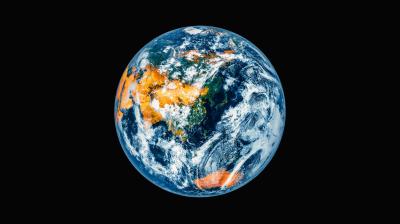
تعتمد جميع أشكال الحياة على الأرض على النظام المناخي، الذي يتألف من خمسة مكونات رئيسية، وهي: الغلاف الجوي؛ والغلاف المائي (المحيطات والبحيرات والأنهار)؛ والغلاف الجليدي (الجليد والثلج)؛ والغلاف الصخري (سطح الأرض)؛ والغلاف الحيوي (الكائنات الحية).
والتفاعلات والتأثيرات المُعقَّدة بين هذه المكونات، مثل تبادل الطاقة والماء وثاني أكسيد الكربون، تحدد أنماط مناخنا وتقلباته.
ومن خلال الرصد والمراقبة على المدى الطويل لمتغيرات النظام المناخي، مثل درجة الحرارة والهطول وضغط الهواء والغطاء الجليدي ودورات الكربون، يمكننا فهم المناخ على نحو أفضل، ومعرفة العوامل التي تؤدي إلى التغيرات المناخية، وبناء نماذج مناخية للتنبؤ بمناخنا في المستقبل.
الأثر
يتغيّر النظام المناخي بمرور الوقت تحت تأثير ديناميكياته الداخلية، وبسبب عوامل مؤثرة خارجية مثل الانفجارات البركانية، والتقلبات الطبيعية في نشاط الشمس، والتأثيرات الخاصة بمدار الأرض، وعوامل التأثير البشرية مثل التغيرات في تكوين الغلاف الجوي واستخدام الأراضي.
وتسهم التأثيرات البشرية في زيادة احترار الغلاف الجوي والمحيطات واليابسة، لا سيما من خلال الأنشطة التي تزيد من انبعاثات غازات الاحتباس الحراري. ويُعرَّف تغير المناخ بأنه التغيرات في المتوسطات الطويلة الأمد للمتغيرات الجوية والأنماط الجوية المرتبطة بها. ويمكن أن يؤثر تقلب المناخ وتغيره على جميع جوانب المجتمع تقريباً، بما في ذلك إنتاج الغذاء والصحة والإسكان والطاقة وموارد المياه والسلامة والسياحة والمالية والنقل.
وفي سبيل تحقيق التنمية الاقتصادية المستدامة، لا بد من مراقبة الأحوال المناخية والتنبؤ بما سيأتي به الموسم المقبل أو كيف سيتغير مناخنا في السنوات القادمة.
استجابة المنظمة (WMO)
تدعم المنظمة أعضاءها في فهم مناخ الأرض على النطاقين العالمي والمحلي من خلال وضع المعايير الفنية لأدوات الرصد، وضمان مراقبة جودة البيانات المُجمَّعة وقابليتها للمقارنة، ومراقبة المناخ الحالي، وضمان دقة التنبؤات المناخية خلال الأسابيع والأشهر والفصول والسنوات المقبلة، فضلاً عن إعداد توقعات طويلة الأجل لفهم تطور المناخ في الماضي والحاضر والمستقبل.
ومن خلال العمل في مجالات الأرصاد الجوية والهيدرولوجيا وعلوم المحيطات والخدمات المناخية، فإن المنظمة تضمن أن تتجلى التفاعلات والروابط المتبادلة في المعلومات المناخية المتكاملة والدعم المُنسَّق عبر القطاعات.
وهذه المعلومات ضرورية لاتخاذ قرارات ذكية مناخياً على جميع المستويات من أجل مواجهة المخاطر المناخية. ومن خلال وضع المعايير الدولية، فإن المنظمة توجِّه الجهود العالمية الرامية إلى تحقيق الاتساق بين الرصدات والبيانات المناخية، بما يضمن القدرة على إجراء تحليلات ومراقبة للمناخ على المدى الطويل. ويفتقر العديد من البلدان إلى البنية التحتية الملائمة في علوم المناخ، لذا تدعم المنظمة المرافق الوطنية للأرصاد الجوية والهيدرولوجيا في تحسين نماذج المناخ، وتحديث نظم التنبؤ، وتعزيز التخطيط، وهو أمر بالغ الأهمية للبلدان النامية.
وتساعد المنظمة القطاعات المختلفة على اتخاذ قرارات ذكية مناخياً من خلال التعاون مع أعضاء المنظمة لإعداد ونشر تنبؤات وتوقعات مناخية عالمية بانتظام، بما في ذلك التنبؤات المناخية الموسمية، ومراقبة الجفاف، والتنبؤ بالفيضانات، والإنذار بموجات الحر، ونظم الإنذار المبكر بالأخطار المتعددة. والتحديث بشأن ظاهرتي النينيو والنينيا والتحديث بشأن المناخ الموسمي العالمي مثالان من النشرات التي تصدرها المنظمة ضمن منتجاتها الرئيسية.
وعلى مدى أكثر من ثلاثة عقود، دأبت المنظمة على إصدار تقارير عن حالة المناخ العالمي، تقدم تقييماً عالمياً موحداً وفي الوقت المناسب للظروف المناخية في العام السابق الذي يتناوله التقرير. كذلك، تصدر المنظمة تقارير عن حالة المناخ في أقاليم أفريقيا وآسيا وأمريكا اللاتينية ومنطقة الكاريبي، وجنوب غرب المحيط الهادئ وأوروبا (بالتعاون مع خدمة كوبرنيكوس لمراقبة تغير المناخ). وهذه التقارير معاً توفر تحديثات سنوية عن حالة المناخ في العالم وفي مختلف الأقاليم استناداً إلى الرصدات المُنفَّذة، وتشكل أيضاً ملخصات علمية موثوقة بشأن المناخ وتطوره.
وتجدر الإشارة إلى أن هذه التقارير، من خلال ربطها بين علم المناخ والآثار الواقعية على الناس والأمن الغذائي والموارد المائية والصحة والنظم الإيكولوجية، لا ترصد التغيرات المناخية فحسب، بل تدعم أيضاً الإنذارات المبكرة وجهود التأهب. ومن خلال تحديد الأخطار المتغيرة، تدعم هذه التقارير جهود التأهب والتخطيط للعمل الإنساني على المستويات الوطنية، بما يتماشى مع المبادرة العالمية للإنذار المبكر للجميع (EW4All) التي تهدف إلى ضمان حماية كل شخص على هذا الكوكب من خلال نظم الإنذار المبكر بالأخطار المتعددة التي تنقذ الأرواح بحلول عام 2027.
وتشارك المنظمة في رعاية عدة مبادرات، مثل الهيئة الحكومية الدولية المعنية بتغير المناخ (IPCC) التي ترعاها بالاشتراك مع برنامج الأمم المتحدة للبيئة (UNEP)؛ والبرنامج العالمي للبحوث المناخية (WCRP)؛ والنظام العالمي لرصد المناخ (GCOS)، من أجل تعزيز الفهم العلمي للنظام المناخي وضمان سهولة الوصول إلى الأبحاث العلمية الدولية المُحكَّمة عن علوم المناخ.