
Technical Coordination Unit Highlights Expertise Mobilization and Knowledge Sharing at Global Project Managers Meeting
At the Global Project Managers Workshop, discussions focused on how to better connect project teams with the full range of technical expertise available across WMO and its wider network. The Technical Coordination Unit (TCU) presented its role in guiding project managers across the project lifecycle, strengthening access to technical support, improving use of training opportunities, and ensuring alignment with WMO standards and strategic priorities. The session also highlighted ongoing efforts to better document and standardize project deliverables to strengthen evidence of WMO’s technical contributions, improve learning across projects, and enhance portfolio-wide analysis.
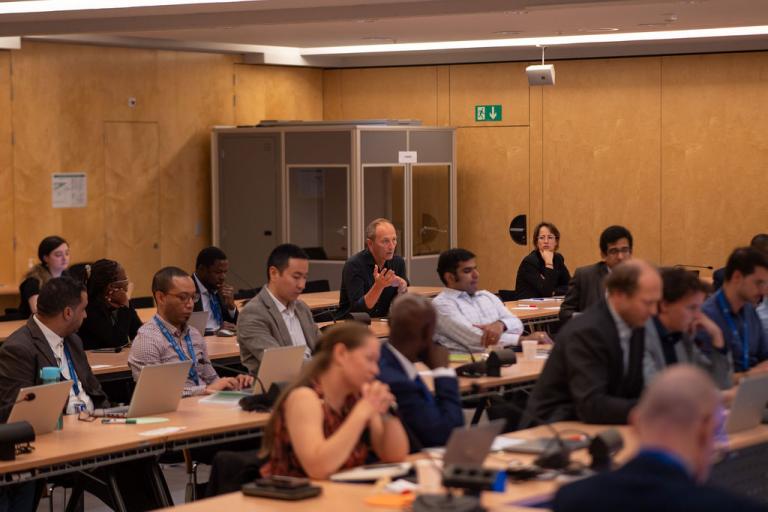
How can project managers access the right technical expertise WMO should provide to its members? How can teams better engage the wealth of expertise available across WMO and its broader network?
These were some of the key questions explored during the World Café discussions at the recent Global Project Managers Workshop, setting the stage the Technical Coordination Unit (TCU) highlighted the diverse pathways for sourcing technical expertise throughout the project lifecycle. While consultants are often one source of support, they are only one component of a much broader ecosystem of expertise that can be mobilized for projects.
Project managers can draw on expertise from WMO Secretariat staff, experts from WMO constituent bodies, specialists from National Meteorological and Hydrological Services (NMHSs), regional centres, academia, civil society organizations, non-governmental organizations, among others. Selecting the most appropriate source depends on the specific country context, technical requirements, implementation arrangements, available resources, and desired outcomes.
The TCU emphasized its role in helping project managers and Members navigate these options. The Unit currently includes four Technical Coordinators aligned with key areas of the WMO Strategic Plan:
- Daniela Cuéllar – Early Warning Systems and Severe Weather (Strategic Objective 1.1)
- Nakiete Msemo – Climate Services (Strategic Objective 1.2)
- Tania Gascon – Hydrometeorology and Water Resources (Strategic Objective 1.3)
Rabia Merrouchi – Strategic Objectives 2.1, 2.2 and 2.3
In addition, the TCU includes project development expertise to support teams from the earliest stages of project identification and formulation, helping ensure that the necessary technical expertise is integrated into project design from the outset. This is supported by Veronica Grasso.
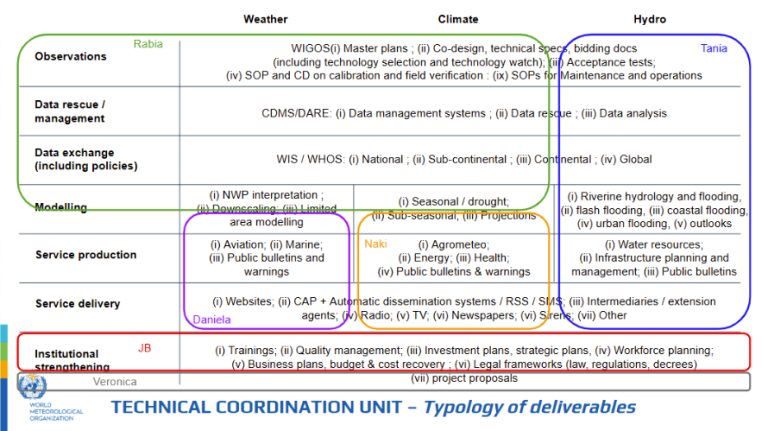
The work of the Technical Coordinators spans the breadth of WMO's technical domains, connecting projects with the Organization's Strategic Plan that is implemented through its programmes and initiatives. This enables project teams to benefit from the latest technical developments and ensures that project implementation is aligned with internationally recognized standards, good practices, technical regulations, and guidance materials.
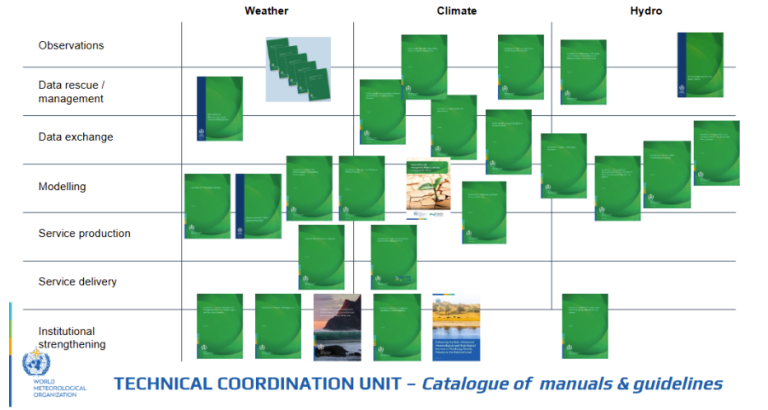
Participants were also encouraged to take advantage of training and learning opportunities available to extra-budgetary (XB) colleagues. These opportunities help project staff strengthen their technical understanding and improve connections between project activities and WMO programmes, standards and strategic priorities.
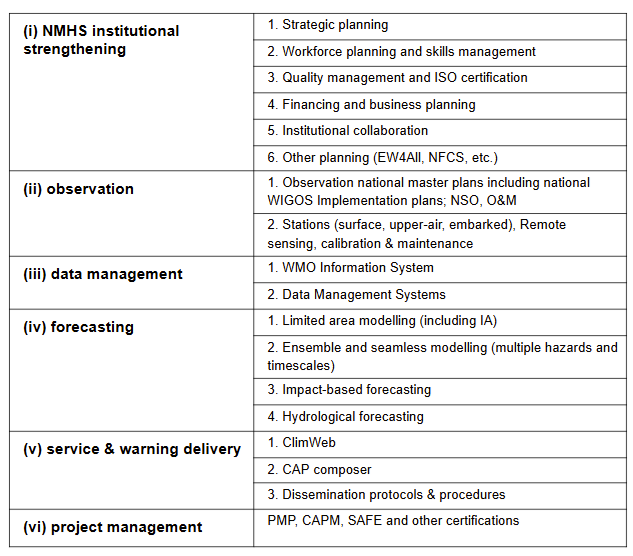
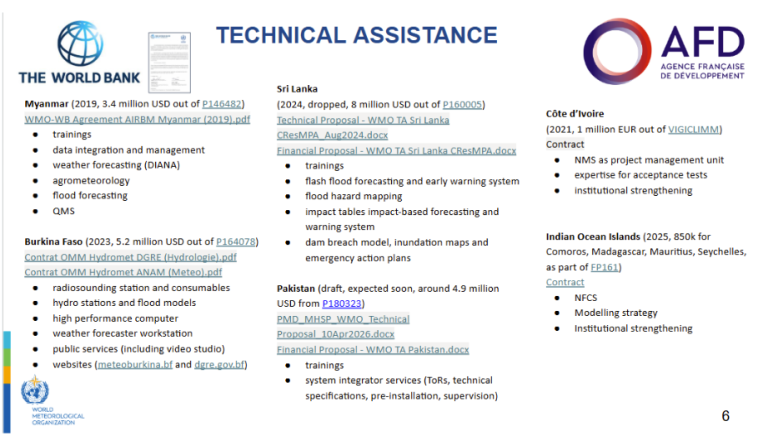
The meeting further showcased WMO's growing portfolio of technical assistance projects. Increasingly, WMO is delivering technical assistance directly to Members, helping countries address priority needs through targeted expertise and implementation support. Examples include projects financed by development partners such as the World Bank and the African Development Bank, supporting countries including Myanmar, Sri Lanka, Burkina Faso, Côte d'Ivoire and Pakistan, as well as Small Island Developing States across the Indian Ocean.
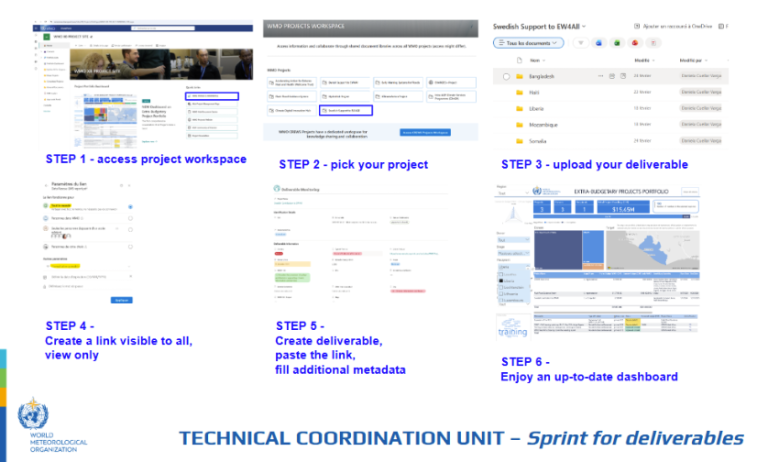
A significant part of the session focused on strengthening the evidence base for WMO's technical contributions. While projects routinely deliver technical outputs and capacity development activities, capturing and documenting these achievements consistently remains essential for supporting learning and showcasing the value of WMO's technical expertise.
To strengthen the evidence base for its technical contributions, the TCU presented ongoing efforts to systematically record project deliverables across the project portfolio. Through improved documentation and analysis, WMO will be better positioned to demonstrate how technical expertise is being mobilized, identify successful approaches and facilitate knowledge sharing across projects and regions.
As part of the session, project managers participated in a practical exercise to record and categorize project deliverables. Participants were invited to contribute examples from their own projects and explore methods for documenting outputs in a more consistent manner. To support this effort, the TCU is developing standardized deliverable names and classifications that will improve consistency across projects and strengthen portfolio-wide analysis.
The session concluded with an invitation for project managers to engage with the TCU early and throughout the project lifecycle. Whether supporting project design, identifying technical expertise, strengthening technical quality, documenting project outputs or connecting teams with learning opportunities, the TCU serves as a bridge between WMO's technical expertise and project implementation. By helping project teams access the right resources and expertise at the right time, the Unit contributes to quality projects, greater technical coherence and more sustainable outcomes for Members.