

Изменчивость климата представляется одновременно риском и возможностью для глобального энергетического перехода
Абу-Даби, ОАЭ/Женева, Швейцария — Согласно докладу «Обзор глобальных возобновляемых источников энергии и спроса на энергию с учетом климатических факторов: обзор 2024 года», подготовленному Всемирной метеорологической организацией (ВМО) и Международным агентством по возобновляемой энергии (ИРЕНА), изменчивость и долгосрочные изменения климата все в большей степени влияют на эффективность и надежность систем возобновляемой энергии во всем мире.
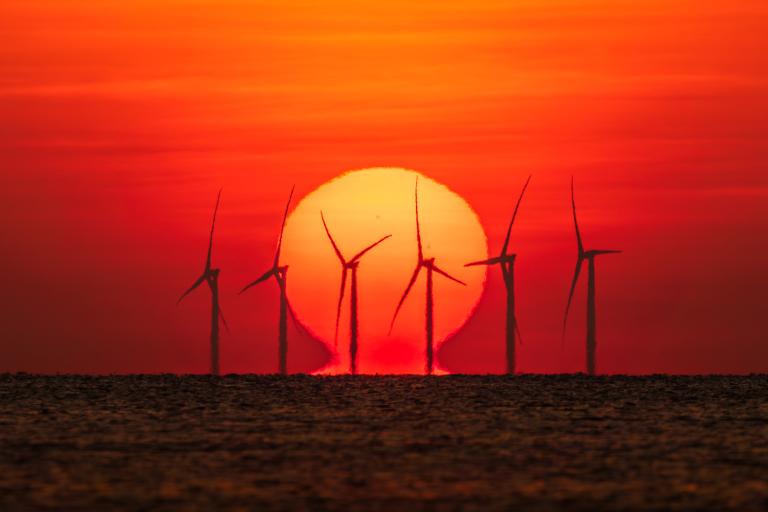
В третьем издании доклада отмечается, что 2024 год — самый теплый за всю историю наблюдений, когда глобальная температура превысила доиндустриальный уровень примерно на 1,55 °C, — привел к заметным региональным изменениям в потенциале солнечной, ветровой и гидроэнергетики, а также к увеличению на 4 % глобального спроса на энергию, обусловленного изменением климата, по сравнению со средним показателем за 1991–2020 годы. Эти изменения, вызванные изменением климата, происходят в то время, когда глобальная мощность возобновляемых источников энергии превысила 4400 гигаватт (ГВт), усиливая взаимодействие между климатическими условиями и энергетическими системами в беспрецедентных масштабах.
Выводы подчеркивают неотложность интеграции климатической информации в энергетическое планирование, поскольку страны работают над достижением Консенсуса ОАЭ, достигнутого на КС 28, который призывает утроить мощности возобновляемых источников энергии и удвоить энергоэффективность к 2030 году.
«Изменчивость климата больше не является второстепенным фактором для энергетического сектора — это определяющий операционный фактор», — сказала профессор Селеста Сауло, Генеральный секретарь ВМО. «По мере расширения систем возобновляемой энергии их производительность и надежность все больше зависят от экстремальных температур, изменчивости осадков и смены атмосферных режимов. Интеграция климатической информации и заблаговременных предупреждений в энергетическое планирование необходима для создания энергосистем, которые будут одновременно чистыми и устойчивыми».